Skip to product information
1 of 3

Sports Performance Enhanced Blood Test Profile

Sports Performance Enhanced Blood Test Profile

Elite performance optimisation. 42-biomarker advanced sports test. Includes Free Testosterone, FSH, LH, SHBG, FBC, Iron, and Organ function for peak results.
Regular price £180.10
Sale price £180.10 Regular price
Shipping calculated at checkout.
Expected delivery date:
05 Aug Usually ready in 2-3 days.

Product Specifications

Details

Are you training hard but not making the gains you expect? Your hormone balance and internal health could be the hidden factors holding you back. Whether you are a bodybuilder looking to safely monitor your health status while taking steroids, experiencing symptoms of low testosterone, or an elite athlete aiming to see how your inner biology affects your physical output, stop guessing and start tracking.

The Optimal You Sports Performance Enhanced Blood Test Profile is our premium 42-biomarker panel engineered specifically for performance optimisation. This advanced profile checks your total and calculated free testosterone, sex hormones, thyroid function, and systemic inflammation alongside critical liver, kidney, and iron markers. It acts as an internal performance dashboard, helping you pinpoint exactly what your body needs to maximise muscle mass, enhance recovery, and unlock peak athletic potential.

Key Core Benefits

- Optimise athletic training and gains

- Map critical performance sex hormones

- Track systemic inflammation and recovery

- Monitor vital organ safety baselines

- Fast three-day expert doctor report

Why Elite Athletes and Bodybuilders Test

Physical training puts immense stress on your vital organs, and chemical optimization requires close tracking to prevent long-term damage. This panel delivers deep clinical clarity across several foundational health categories to keep your body performing safely at its limit:

- Hormone Balance: Measures Total Testosterone, Oestradiol, LH, FSH, and SHBG to accurately calculate your active, unbound Free Testosterone. It flags whether low testosterone or hormonal imbalances are limiting your energy and muscle retention.

- Recovery & Inflammation: Features high-sensitivity C-Reactive Protein (hs-CRP) to spot low-level systemic inflammation, allowing you to gauge your body's recovery rate and manage cardiovascular risks.

- Oxygen Delivery & Energy: A Full Blood Count (FBC) tracks your haemoglobin and haematocrit levels, ensuring your tissues receive optimal oxygen delivery during intense workouts. Combined with an in-depth iron and ferritin status check, it flags underlying causes of training fatigue.

- Organ Protection: Provides essential safety screens for liver function (enzymes like ALT and GGT) and kidney efficiency (creatinine and eGFR), which are critical for individuals processing high-protein diets or monitoring steroid cycles.

📊 Clinical Guidance Note: In line with the British Society for Sexual Medicine (BSSM) 2022 guidelines, our male testosterone reference range uses a lower limit of 12 nmol/L. If your total testosterone falls between 8–12 nmol/L and you exhibit physical symptoms of low T, you may be considered eligible for treatment. If you are symptom-free, a result in this range is deemed medically satisfactory.

What We Test: The 42 Essential Biomarkers

Our advanced profile leaves nothing to chance, analyzing 42 distinct biomarkers to provide a comprehensive view of your athletic biology:

Biomarker Group Inclusions & Descriptions
Sex Hormones & Performance

Total Testosterone, Calculated Free Testosterone, SHBG, Oestradiol, LH, FSH: Controls muscle growth, bone density, libido, and baseline reproductive function.

Blood Health & Oxygen (FBC)

Haemoglobin, Haematocrit, Red Cell Count, MCV, MCH, MCHC, RDW: Measures oxygen-carrying capabilities and flags physical strain or anaemia.

Immune & Stress Indicators

White Cell Count, Neutrophils, Lymphocytes, Monocytes, Eosinophils, Basophils: Tracks immune health and primary cellular responses to physical stress and inflammation.

Clotting Dynamics

Platelet Count, MPV: Assesses blood clotting and physical wound-healing capabilities.

Kidney Filtration

Urea, Creatinine, eGFR: Evaluates waste filtration, hydration levels, and overall renal health.

Liver & Metabolic Safety

ALT, GGT, ALP, Total Protein, Albumin, Globulin: Monitors liver cell stress, bile duct safety, and nutritional fluid transport.

Cardiovascular & Diabetes

HbA1c, Total Cholesterol, LDL, HDL, Non-HDL, Total/HDL Ratio, Triglycerides: Tracks long-term blood sugar trends and your complete cardiovascular lipid profile.

Inflammation Marker

CRP HS (High-Sensitivity C-Reactive Protein): Detects micro-levels of systemic inflammation to gauge tissue recovery.

Iron Reserves

Iron, Ferritin: Measures circulating blood iron and your absolute cellular iron storage reserves.

Thyroid Fuel

TSH, Free Thyroxine (Free T4): Checks the metabolic engine regulating your energy production and daily metabolism.

📋 Essential Pre-Test Instructions

To guarantee highly accurate, lab-validated results that reflect your true training baseline, please adhere to these preparation rules:

Timing & Physical Activity

- Morning Blood Draw: You must collect your sample between 6:00 am and 10:00 am.

- Avoid Heavy Exercise: Do not engage in heavy exercise or intense training for 48 hours before taking the test, as physical exertion will artificially alter your liver enzymes, muscle waste markers, and inflammatory indicators.

- Short-Term Illness: Wait to take this test until any symptoms of acute or short-term illness have entirely resolved.

Menstrual Cycle & Contraception (If Applicable)

- Cycle Timing: If you experience periods, collect your sample two to five days after your period starts (ideally on day three) for accurate hormone and fertility tracking. If you do not have periods, you can test at any time.

- Contraception Note: Hormonal contraception alters your natural baseline hormone readings. For the most accurate results, it is recommended to take a break from hormonal contraception and wait for your regular periods to restart before testing.

Nutrition, Hydration, & Medications

- Dietary Adjustments: Avoid consuming fatty foods for eight hours prior to your test. You do not need to fast fully, but keep pre-test meals low in fats.

- Hydration: Ensure you are well-hydrated by drinking plenty of water before your blood draw.

- Supplements: Do not take biotin supplements for two days before your test. If biotin is prescribed, discuss this with your doctor before pausing it.

- Thyroid Medication: If you take standard levothyroxine, collect your sample before taking your daily dose. If testing later in the day, leave a minimum of six hours after levothyroxine (or 12 hours after desiccated thyroid extract/liothyronine/T3 medications).

- Other Medications: Please declare if you are taking amiodarone or lithium in your supporting documentation, as these alter thyroid function results.

How It Works

1. Order Your Kit: Secure your test online to receive a discreet testing kit shipped with completely free delivery.

2. Choose Your Collection: Benefit from flexible testing options, whether you prefer an at-home sample collection or an appointment for a professional venous blood draw at a partner clinic.

3. Accredited Lab Turnaround: Return your sample using the provided pre-paid envelope. Your extensive data profile will securely upload to your personal portal within an estimated 3 working days.

4. Bespoke Doctor's Commentary: Every test includes a comprehensive medical review written by a qualified doctor, translating your raw biomarker data into clear, actionable advice to safely elevate your training programme.

Biomarkers Tested

Total Biomarkers: 42
Red Blood Cells

Haemoglobin: The protein in red blood cells that carries oxygen around the body; low levels indicate anaemia.

Haematocrit: The percentage of your blood volume that is made up of red blood cells.

Red Cell Count: The total number of red blood cells in a given volume of blood.

MCV (Mean Corpuscular Volume): A measure of the average size of your red blood cells.

MCH (Mean Corpuscular Haemoglobin): The average amount of haemoglobin found in each red blood cell.

MCHC (Mean Corpuscular Haemoglobin Concentration): A calculation of the concentration of haemoglobin inside a given volume of red blood cells.

RDW (Red Cell Distribution Width): Measures the variation in the size and volume of your red blood cells; high variation can indicate certain types of anaemia.

White Blood Cells

White Cell Count: The total number of white blood cells in your blood, which are crucial for fighting infection.

Neutrophils: The most common type of white blood cell; they are the first responders to bacterial infections and physical stress.

Lymphocytes: White blood cells responsible for fighting viral infections and producing antibodies.

Monocytes: White blood cells that help break down bacteria and clear away dead or damaged cells.

Eosinophils: White blood cells involved in fighting parasitic infections and in allergic reactions.

Basophils: The rarest white blood cells; they release histamine and are involved in allergic responses and inflammation.

Clotting Status

Platelet Count: Tiny blood cells that help your blood clot to stop bleeding.

MPV (Mean Platelet Volume): A measurement of the average size of your platelets, which reflects how recently they were produced.

Kidney Health

Urea: A waste product formed in the liver when protein is metabolized; high levels can indicate kidney issues or dehydration.

Creatinine: A chemical waste product produced by muscle metabolism that is filtered out of the blood by the kidneys.

eGFR (Estimated Glomerular Filtration Rate): A calculated measure of how well your kidneys are filtering waste from your blood.

Liver Health

ALP: An enzyme found in the liver and bones; high levels often indicate blocked bile ducts or bone issues.

ALT: An enzyme found mostly inside liver cells that is released into the blood when the liver is damaged.

GGT: An enzyme found in bile ducts that is very sensitive to liver damage and alcohol consumption.

Proteins

Total Protein: The sum of the two main types of protein in your blood: albumin and globulin.

Albumin: The main protein made by the liver; it helps keep fluid within the bloodstream.

Globulin: A group of proteins made by the liver and immune system that help fight infection and transport nutrients.

SHBG (Sex Hormone Binding Globulin): A protein produced by the liver that binds tightly to testosterone, dihydrotestosterone (DHT), and estradiol (an estrogen), controlling their availability to the body.

Diabetes

HbA1c: A measure of your average blood glucose (sugar) levels over the past 2 to 3 months.

Cholesterol Status

Total Cholesterol: The overall amount of cholesterol in your blood.

LDL Cholesterol: "Bad" cholesterol that can build up in artery walls.

Non HDL Cholesterol: All types of "bad" cholesterol combined.

HDL Cholesterol: "Good" cholesterol that helps remove other forms of cholesterol.

Total Cholesterol : HDL: A ratio used to assess cardiovascular risk.

Triglycerides: A type of fat (lipid) used for energy storage.

Inflammation

CRP HS (High-Sensitivity C-Reactive Protein): A protein that increases in the blood with inflammation; the high-sensitivity test can detect low levels to assess cardiovascular risk.

Iron Status

Iron: Measures the amount of iron currently circulating in the liquid portion of your blood.

Ferritin: A protein that stores iron inside your cells; the best indicator of total iron reserves.

Thyroid Hormones

TSH (Thyroid Stimulating Hormone): A hormone produced by the pituitary gland that tells the thyroid how much hormone to produce.

Free Thyroxine (Free T4): The main hormone produced by the thyroid gland, which regulates metabolism and energy levels.

Hormones

FSH (Follicle Stimulating Hormone): A hormone involved in sexual development and functioning; in women, it helps control the menstrual cycle and egg production; in men, it helps control sperm production.

LH (Luteinizing Hormone): A hormone that works with FSH to control sexual function; it triggers ovulation in women and testosterone production in men.

Oestradiol: The primary form of estrogen, responsible for regulating reproductive health and sexual function.

Testosterone: A key hormone that regulates muscle mass, bone density, and libido.

Free Testosterone - Calc: A calculation indicating the amount of testosterone that is not attached to proteins and is therefore available for the body to use.

How to prepare for your test

Prepare for your test by following these instructions.

Sample collection and timing
Take your sample between 6am and 10am.
Take this test when any symptoms of short-term illness have settled.
Avoid heavy exercise for 48 hours beforehand.

Periods and contraception
Take this test two to five days after the start of your period, ideally on day three if you're taking this test to learn more about your fertility.
It can be taken any time if you do not have periods.
Hormonal contraception can affect the results of this test.
Taking a break from this and waiting for your periods to restart before your blood test will give more accurate results.

Fasting and hydration
Avoid fatty foods for eight hours before your test, you do not need to fast.
Stay well hydrated before your test.

Medications and supplements
Do not take biotin supplements for two days before this test, discuss this with your doctor if it is prescribed.

If you take levothyroxine or desiccated thyroid extract (DTE), take your blood test before your dose for the most accurate thyroid function results.

If you have to take your blood test later in the day, aim to leave at least six hours between taking levothyroxine medication and your blood draw (or 12 hours after DTE/T3 medication).

Please also let us know in the supporting information if you take amiodarone or lithium, as these can also affect your results.

Know Your Body

Know Your Body

Know Your Body

Know Your Body

  • Your Blood, Your Way

    Do at home with our kits or have a professional collection arranged.

  • Extensive Clinic Network Across the UK

    Arrange professional blood draws from on of our partnered clinics around the UK

  • Fast & Secure Delivery

    Safe and timely delivery of blood test collection kits to your doorstep.

  • Blood Diagnostics, Without The Wait

    Fast and convenient blood collection and diagnostics, without having to wait.

Optimal You Partner Clinic Finder

How Your Clinic Visit Works

  1. Find a Location: Enter your postcode in the finder above to discover your nearest approved clinic.
  2. Book Your Sample Draw: Follow the clinic links sent to you from our partners to confirm your appointment time.
  3. Bring Your Kit: Attend your appointment with your Optimal You test kit and pre-printed blood sample collection materials.
  4. Rapid Results: Once drawn, your sample is safely couriered directly to our accredited laboratory network.

Why Choose a Venous Sample Draw?

While finger-prick kits offer convenient home collection, attending an accredited partner clinic for a professional venous sample draw ensures:

  • Maximum Biomarker Accuracy: Venous draws yield larger, higher-quality blood samples ideal for complex testing panels.
  • Low Risk of Hemolysis: Professional collection by trained phlebotomists prevents sample degradation.
  • Painless Experience: Fast and comfortable sample collection conducted by experienced medical professionals.

3 Simple Steps - How to Take Your Test

Step 1

Receiving Your Test Kit

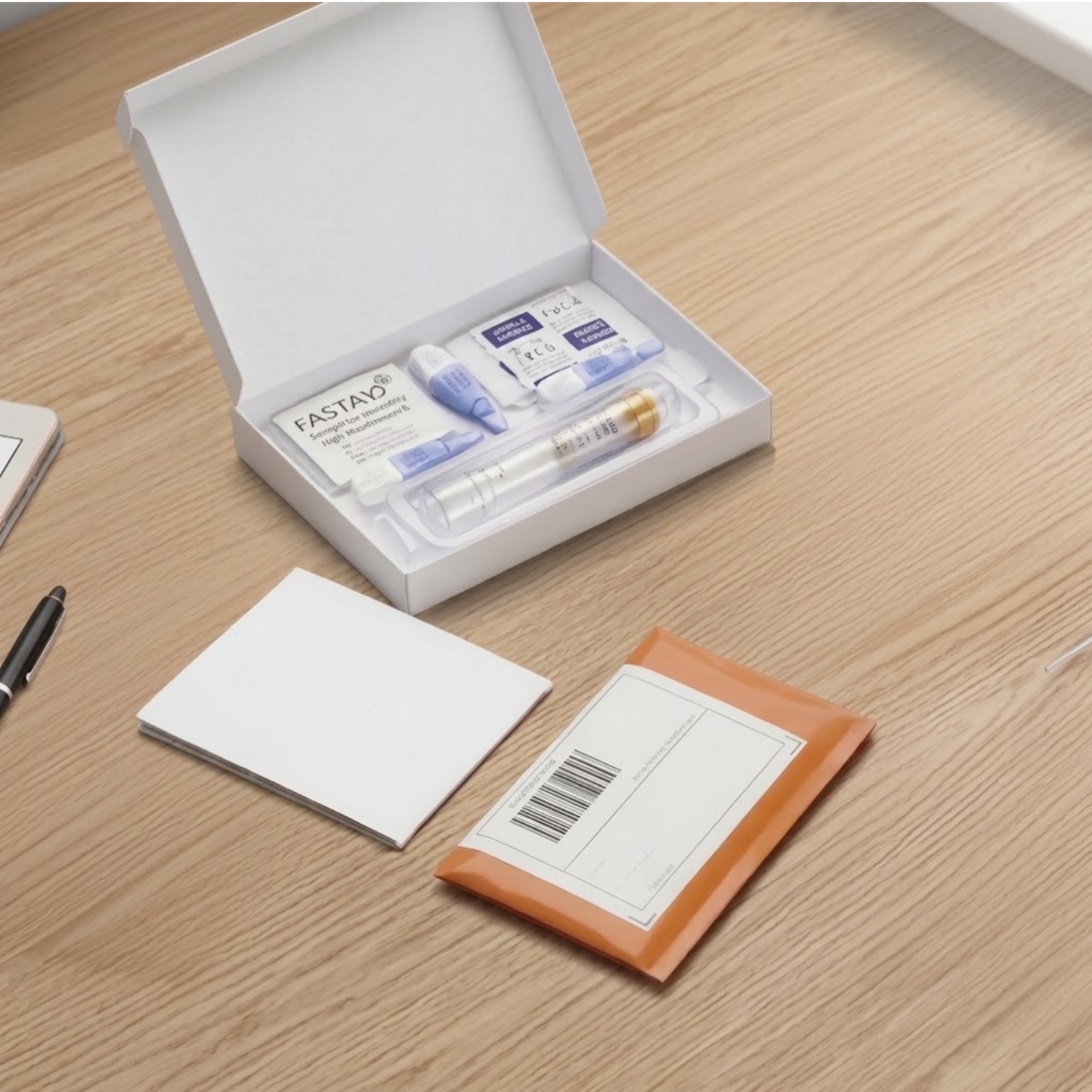
Order your at home finger prict test with Optimal You. You'll receive everything you need within your kit along with pre-paid packaging for you to post your sample directly to our partner laboratory for analysis.

Step 2

Collecting Your Sample

Following the provided guide, use the simple finger-prick method to prick your finger and drip your blood sample directly into the vial.

Step 3

Receiving Your Results

Post your sample to the lab using the prepaid envelope and packaging enclosed. Your results will be securely sent to you via email within 3 working days (estimated)

Frequently Asked Questions

Frequently asked question about our blood testing and diagnostic services. If there is a question not answered feel free to contact us!

Are there any age restrictions for your tests?

Yes, our services are currently available only to individuals aged 18 and over. We require you to confirm your Date of Birth in your Customer Account area.

Can I book a professional to take my blood?

Yes! We offer options for a clinic visit or a nurse home visit for a professional venous draw. You can select this option when choosing which test is right for you!

If you prefer to book your own phlebotomist, no problem! Simply select this option prrior to processing your order and we will send the kit to your home for you to arrange your own clinic visit.

Can I share my results with my own GP?

Yes, and we encourage it! You can download your doctor-reviewed report as a PDF from your secure portal to share with your GP or specialist during your next appointment.

Can I take these tests if I am pregnant or breastfeeding?

While you can take the tests, pregnancy and breastfeeding significantly alter your hormone and nutrient levels. This means our standard "normal" ranges may not apply to you. We recommend consulting your midwife or GP before ordering.

Can I use these tests to monitor an existing medical condition?

Our tests are excellent for tracking trends and monitoring wellness. However, they should not be used to self-diagnose or adjust prescribed medication without first consulting your treating physician and GP.

Do I need a doctor’s referral or a prescription?

No. Optimal You provides a private service that allows you to take control of your health data without needing to visit a GP first.

How do I get started with a blood test?

Simply choose your test on our website and checkout. 

Whilst on the particular test you are looking to purchase, select a test type from the drop down. You have three or four options depending on the type of test you are purchasing:

At Home Finger Prick Blood Test - You will receive you sample kit via the post. Simply follow the instructions enclosed and return using the packaging provided.

Book a Venous Draw at a Clinic - You will receive an email after you have processed your order containing instructions on how to book your clinic appointment. Our partners have national coverage of the UK to make your sample collection convenient to you whilst maintaining our quick service times. You can find your closest clinic via our partner medichecks on our clinic finder page.

Book a Venous Draw at Home with a Nurse - Once you have chosen this option, simply go through our checkout process, a nurse will be in touch to book your at home visit to complete your sample.

Self arrange a Profesional Sample Collection - You will receive your sample collection kit in the post for you to take to your chosen phlebotomy clinic. Note you will be responsible for arranging your appointment and for any associated fees.

How long does it take to get my results?

Most results are ready within 2–5 working days after the lab receives your sample. You will receive an email notification as soon as they are ready.

How soon do I need to post my sample back?

To ensure the stability of your biomarkers, you should post your sample on thesame dayyou collect it. Avoid collecting samples on a Friday afternoon or over the weekend to prevent them from sitting in the post; Monday through Thursday is best.

Is my data secure?

Absolutely. We use industry-standard encryption, and your data is stored securely in compliance with GDPR. Only you and our medical team have access to your results.

Is there a specific day or time I should take my sample?

Most tests are best performed first thing in a morning, especially if fasting is required. For hormonal tests (like Testosterone or Menopause profiles), we usually recommend collecting your sample before 10:00 AM when hormone levels are most stable.

You will receive additional guidance post purchase to give you all of the information needed as some tests have different guidelines.

What happens if I struggle to get enough blood from a finger-prick?

Don't worry, it happens! We include extra lancets in every kit. Pro tip: Make sure your hands are very warm (try soaking them in warm water) and stay well-hydrated for 24 hours before your test. If you still can't collect enough, contact us and we can help you arrange a venous blood draw instead.

What happens if my results are abnormal?

If a result is critically outside the normal range, our medical team will highlight this and provide clear guidance on the next steps during our contact with you, which may include you seeing your GP, going to A&E or calling the NHS on '111'.

What is the difference between a Finger-Prick and a Venous Draw?

A finger-prick is a self-collection kit done at home. A venous draw is a traditional blood sample taken from a vein by a professional. Some advanced tests (like our TRT or Enhanced Profiles) require a larger sample and are best done via a venous draw.

Who reviews my results?

Every report is reviewed by a qualified UK doctor. They provide personalized comments to help you understand what your biomarkers mean for your health.

Why are my results different from a previous test I had?

Biomarkers can fluctuate based on the time of day, your diet, stress levels, recent exercise, or even the lab equipment used. This is why we focus on "ranges." If you see a significant change, our medical team’s comments will help put that data into context.

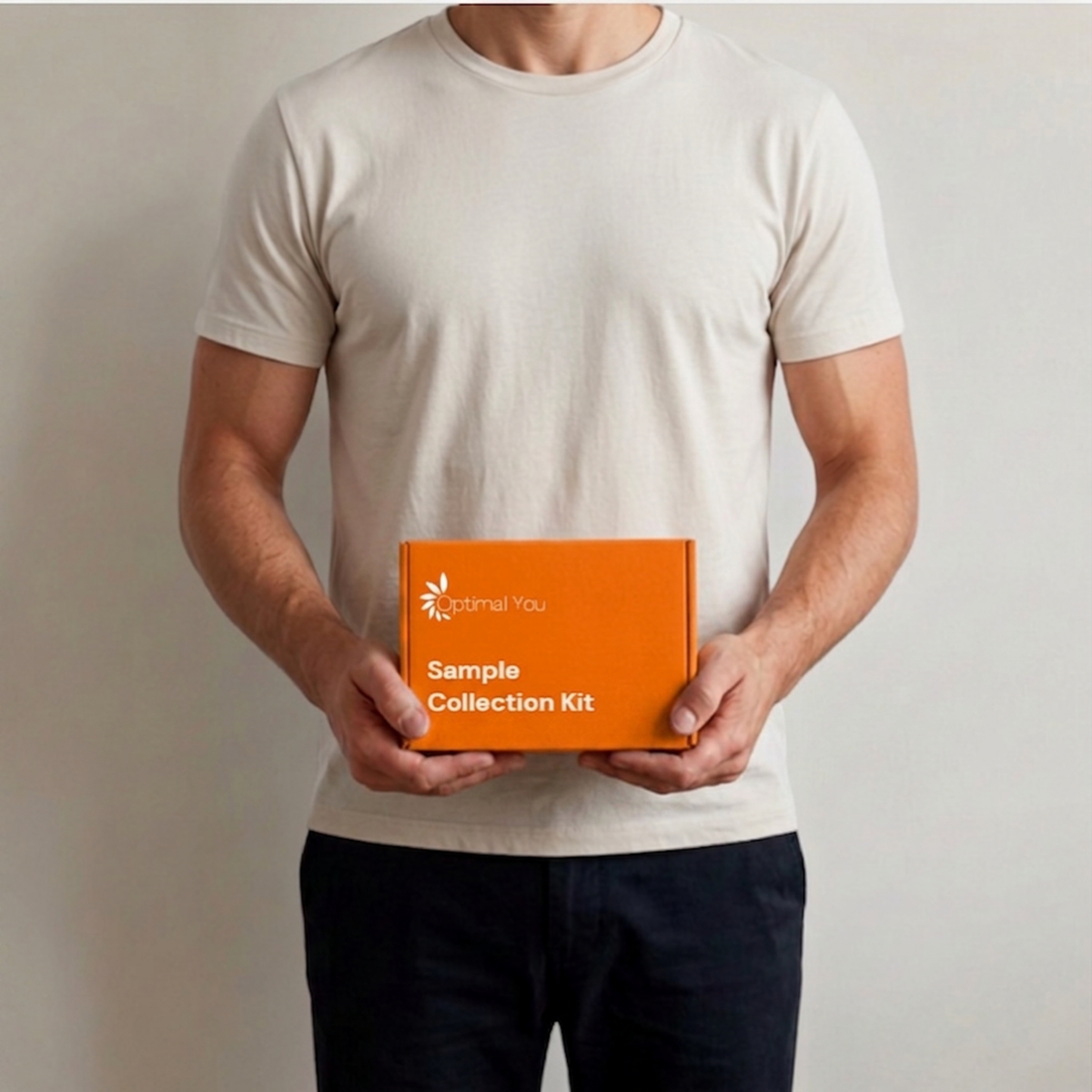
Person holding an Optimal You Sample Collection Kit against a red vest

Sports Performance Enhanced Blood Test Profile

Regular price £180.10
Sale price £180.10 Regular price