


TRT Profile Advanced Blood Test
TRT Profile Advanced Blood Test
Couldn't load pickup availability


Product Specifications
Details
The Complete 42-Biomarker TRT Safety Panel
Thinking about starting Testosterone Replacement Therapy (TRT), or already on your journey and need to track your progress? TRT can be life-changing, but it is not just about bumping up your testosterone numbers—it is about keeping the rest of your body running like a finely tuned machine.
The TRT Profile Advanced Blood Test is our gold-standard safety panel. It tracks 42 critical biomarkers to provide an in-depth look at your hormones, cholesterol, liver and kidney efficiency, red blood cell production, and prostate health.
Why Choose the Advanced TRT Panel?
Comprehensive Monitoring: Tracks how exogenous testosterone affects vital internal processes, including blood thickness (haematocrit) and cardiovascular health.
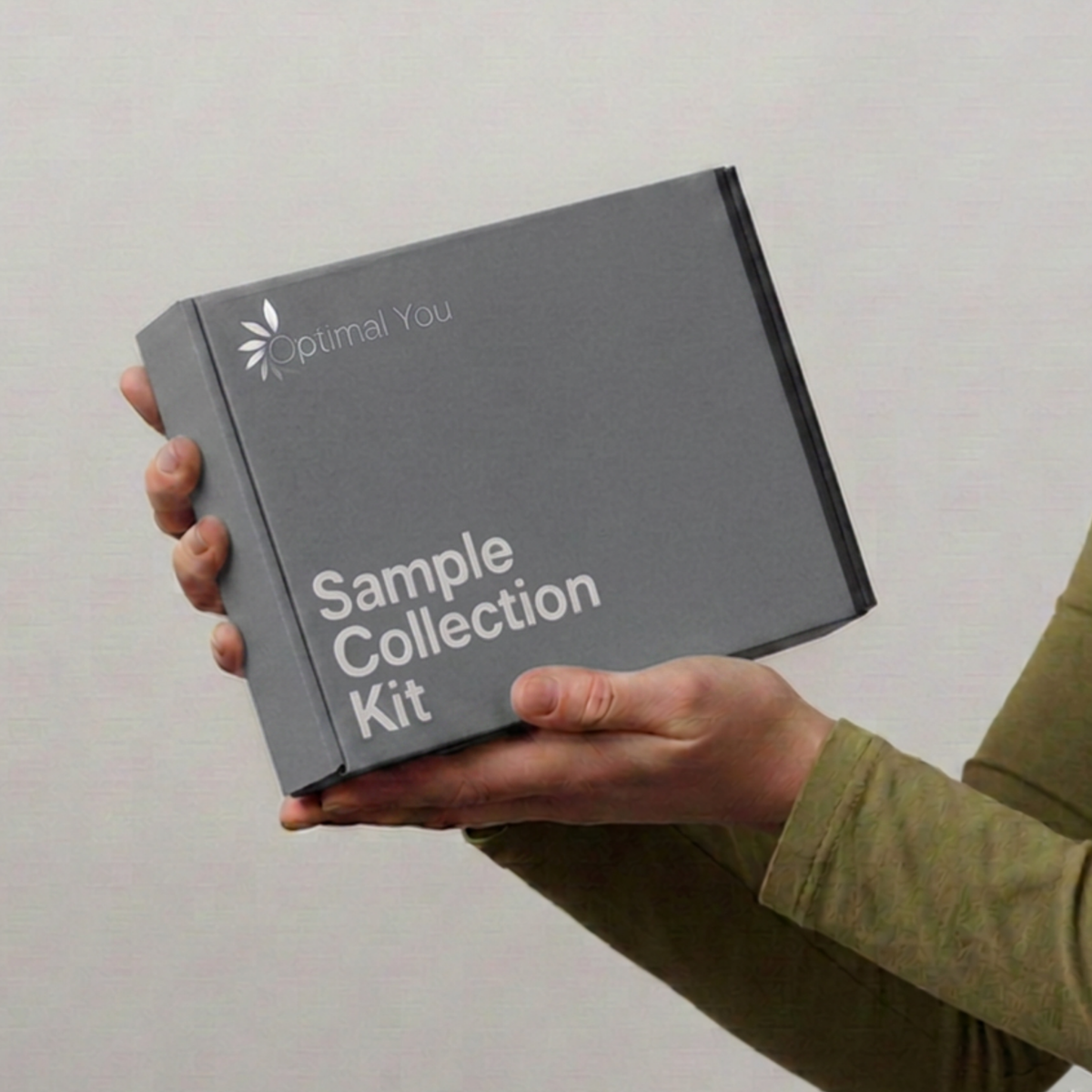
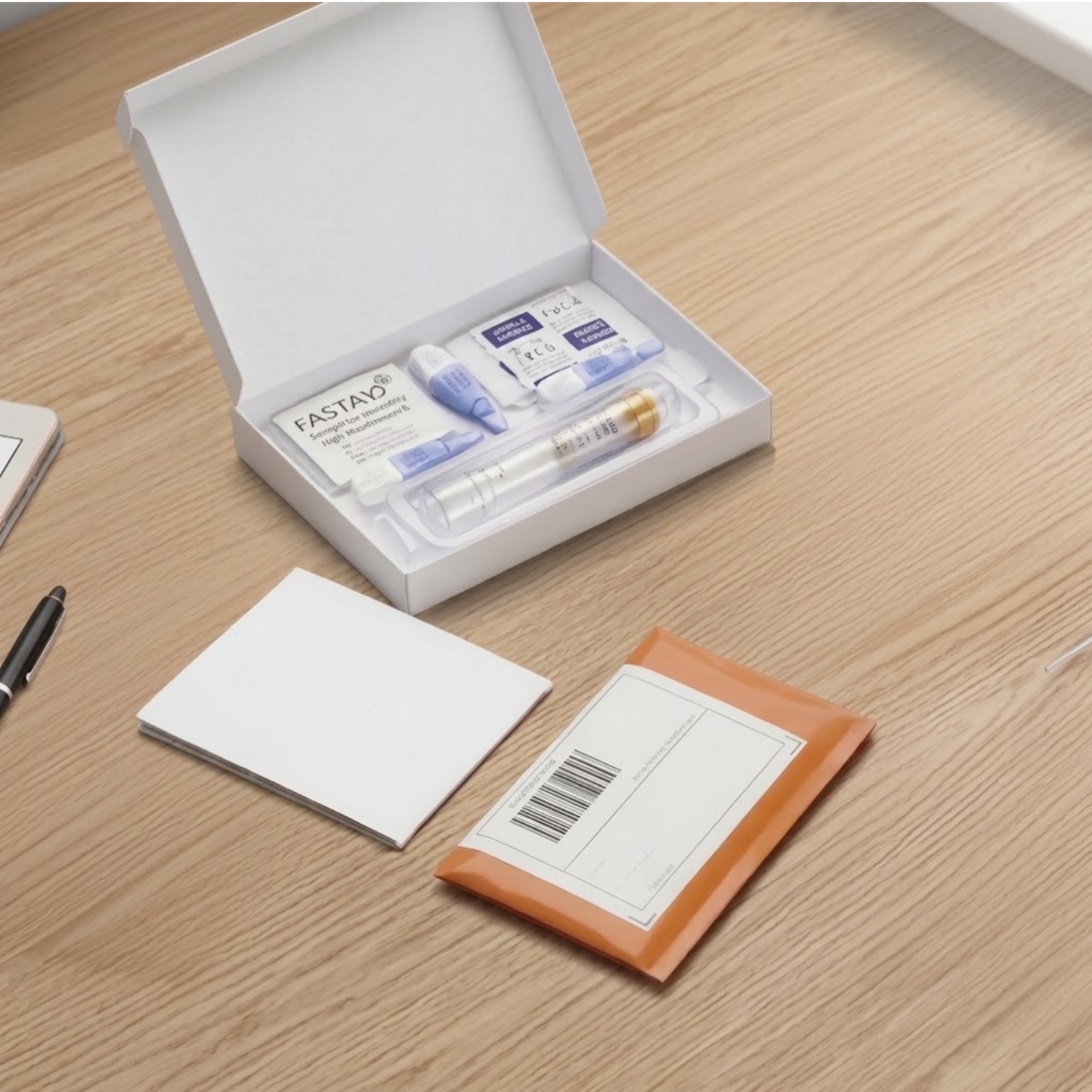
Professional Clinic Sampling: We provide the kit and arrange a visit to a partner clinic. A qualified phlebotomist will perform a standard venous blood draw from your arm, ensuring a high-volume, premium-quality sample.
Fast, Digital Results: Get your results emailed to you in an estimated 2 working days.
Expert Oversight: Includes a bespoke doctor's report evaluating your data.
Next-Steps Support: If your results indicate low testosterone, we partner directly with the specialists at Leger Clinic to help you navigate your treatment options or schedule a second baseline test.
What We Test: The 42 Biomarkers
Note: Testosterone supplementation can significantly alter your red blood cell production, lipid profiles, and natural hormone levels. Regular monitoring ensures you reap the benefits of TRT while mitigating potential side effects.
🩸 Blood Health & Clotting
-
Red Blood Cells (Haemoglobin, Haematocrit, Red Cell Count, MCV, MCH, MCHC, RDW): Crucial for tracking oxygen delivery and monitoring for polycythaemia (thickened blood), a common side effect of TRT.
-
White Blood Cells (Total Count, Neutrophils, Lymphocytes, Monocytes, Eosinophils, Basophils): Assesses immune system function and flags underlying inflammation or infection.
-
Clotting Status (Platelet Count, MPV): Evaluates your blood’s ability to clot and repair wounds effectively.
🧪 Organ Function & Metabolic Health
-
Kidney Health (Creatinine, eGFR): Measures how effectively your kidneys are filtering metabolic waste.
-
Liver Health (ALP, ALT, GGT): Identifies signs of liver strain, inflammation, or bile duct issues.
-
Proteins (Total Protein, Albumin, Globulin): Evaluates nutritional status and how hormones are transported through your bloodstream.
-
Diabetes (HbA1c): Provides your average blood sugar levels over the last two to three months.
❤️ Cardiovascular & Iron Status
-
Cholesterol Status (Total Cholesterol, LDL, Non-HDL, HDL, Total/HDL Ratio, Triglycerides): TRT can alter your lipid profile; tracking this protects your long-term cardiovascular health.
-
Iron Status (Ferritin): The most sensitive marker for checking iron deficiency or iron overload.
🔄 Hormones & Prostate Health
-
Thyroid Hormones (TSH, Free T3, Free Thyroxine/T4): Ensures your metabolic engine is functioning correctly.
-
Key Hormones (Total Testosterone, Calculated Free Testosterone, SHBG, Oestradiol, Prolactin): Gives a clear picture of active, usable testosterone, potential oestrogen spikes, and pituitary health.
-
Fertility Markers (FSH, LH): Monitored because exogenous testosterone suppresses these hormones, often leading to a temporary drop in sperm count.
-
Prostate Health (PSA - Total): Screens for prostate protein levels. While TRT is not proven to cause prostate cancer, caution and consistent tracking are highly recommended.
📋 Essential Pre-Test Instructions
To ensure your results are highly accurate, please follow these preparation protocols closely:
Timing & Hydration
-
Schedule Early: Your blood sample must be collected between 6:00 am and 10:00 am. For accurate prolactin readings, ensure you have been awake for at least one full hour before your appointment.
-
Hydrate Well: Drink plenty of water before your test.
-
No Fasting Required: You do not need to fast, but you must avoid fatty foods for 8 hours prior to the draw.
-
Be Healthy: Wait until any short-term illness symptoms have completely settled before taking the test.
Activity Restrictions (48 Hours Before Test)
To prevent temporary, artificial spikes in your PSA and Prolactin levels, avoid the following for 48 hours before your appointment:
-
Vigorous exercise or heavy lifting.
-
Ejaculation or nipple stimulation.
-
Direct prostate stimulation (e.g., medical rectal examinations or receptive anal sex).
-
Note: If you have recently had a urinary tract infection (UTI), prostatitis, or a urological procedure (like a prostate biopsy or cystoscopy), wait at least 6 weeks before taking this test.
Medications & Supplements
Biotin: Stop taking biotin supplements 2 days before the test (if prescribed, discuss this with your doctor first).
Vitamins & Minerals: Take your sample at least 24 hours after your last supplement dose.
Thyroid Medications: If you take standard thyroxine, you can take it as usual. If you take desiccated thyroid extract (DTE) or liothyronine, wait until after your blood draw to take your dose.
TRT & Prostate Meds: Please declare if you are currently using TRT, finasteride, dutasteride, saw palmetto, amiodarone, or lithium in your supporting information.
TRT Eligibility & Health Safety
While TRT can restore energy, libido, mood, and muscle mass, it is not right for everyone.
According to guidelines from the British Society for Sexual Medicine (BSSM), treatment should be paused or avoided if you have certain stages of prostate cancer, breast cancer, severe chronic heart failure, an active desire to conceive, or preexisting high haematocrit levels. If your initial results indicate low testosterone, guidelines recommend scheduling a second, more in-depth confirmatory test four weeks later before initiating a treatment plan.
Biomarkers Tested
How to prepare for your test
-
Your Blood, Your Way
Do at home with our kits or have a professional collection arranged.
-
Extensive Clinic Network Across the UK
Arrange professional blood draws from on of our partnered clinics around the UK
-
Fast & Secure Delivery
Safe and timely delivery of blood test collection kits to your doorstep.
-
Blood Diagnostics, Without The Wait
Fast and convenient blood collection and diagnostics, without having to wait.
How Your Clinic Visit Works
- Find a Location: Enter your postcode in the finder above to discover your nearest approved clinic.
- Book Your Sample Draw: Follow the clinic links sent to you from our partners to confirm your appointment time.
- Bring Your Kit: Attend your appointment with your Optimal You test kit and pre-printed blood sample collection materials.
- Rapid Results: Once drawn, your sample is safely couriered directly to our accredited laboratory network.
Why Choose a Venous Sample Draw?
While finger-prick kits offer convenient home collection, attending an accredited partner clinic for a professional venous sample draw ensures:
- Maximum Biomarker Accuracy: Venous draws yield larger, higher-quality blood samples ideal for complex testing panels.
- Low Risk of Hemolysis: Professional collection by trained phlebotomists prevents sample degradation.
- Painless Experience: Fast and comfortable sample collection conducted by experienced medical professionals.
3 Simple Steps - How to Take Your Test

Step 1
Receiving Your Test Kit
Order your at home finger prict test with Optimal You. You'll receive everything you need within your kit along with pre-paid packaging for you to post your sample directly to our partner laboratory for analysis.

Step 2
Collecting Your Sample
Following the provided guide, use the simple finger-prick method to prick your finger and drip your blood sample directly into the vial.

Step 3
Receiving Your Results
Post your sample to the lab using the prepaid envelope and packaging enclosed. Your results will be securely sent to you via email within 3 working days (estimated)
Frequently Asked Questions
Frequently asked question about our blood testing and diagnostic services. If there is a question not answered feel free to contact us!
Are there any age restrictions for your tests?
Can I book a professional to take my blood?
Can I share my results with my own GP?
Can I take these tests if I am pregnant or breastfeeding?
Can I use these tests to monitor an existing medical condition?
Do I need a doctor’s referral or a prescription?
How do I get started with a blood test?
How long does it take to get my results?
How soon do I need to post my sample back?
Is my data secure?
Is there a specific day or time I should take my sample?
What happens if I struggle to get enough blood from a finger-prick?
What happens if my results are abnormal?
What is the difference between a Finger-Prick and a Venous Draw?
Who reviews my results?
Why are my results different from a previous test I had?

TRT Profile Advanced Blood Test
