Skip to product information
1 of 3

Advanced Metabolic Weight Loss Blood Test

Advanced Metabolic Weight Loss Blood Test

Break the weight plateau. This essential 23-biomarker blood test finds hidden reasons for weight issues. Checks HbA1c, Thyroid, Hormones (Testosterone, Oestradiol), Iron & Cholesterol to unlock true progress.
Regular price ÂŁ172.20
Sale price ÂŁ172.20 Regular price
Shipping calculated at checkout.
Expected delivery date:
05 Aug Usually ready in 2-3 days.

Product Specifications

Details

Losing weight is never a straightforward journey, and it can be incredibly disheartening when diligent dieting and exercise yield no results. If your weight loss has stalled completely or you are experiencing unexpected weight gain, the issue might not be your willpower—it could be your biology.

Carrying extra weight places an underlying strain on your cardiovascular system and significantly increases your long-term risk of developing conditions such as type 2 diabetes and heart disease. The Optimal You Advanced Metabolic Weight Loss & Diabetes Insights Blood Test is an essential 23-biomarker panel engineered to break through weight plateaus by identifying the hidden medical roadblocks keeping you from your goals.

By comprehensively mapping your metabolic rate, thyroid function, stress hormones, and blood sugar control, this profile reveals exactly how your internal health is affecting your body composition. Stop guessing and start targeting the precise hormonal or metabolic shifts holding your progress back.

Key Core Benefits

  • Identify medical roadblocks to weight loss
  • Screen for type 2 diabetes and heart risks
  • Assess metabolism and stress cortisol levels
  • Pinpoint age-related hormonal weight shifts
  • Uncover nutrient deficiencies stalling motivation

The Four Biological Weight Roadblocks

Our medical team look across several distinct internal systems to find out exactly why your body might be holding onto excess weight:

1. The Sluggish Metabolic Brake (Thyroid)

Your thyroid gland acts as your body's primary internal thermostat. If your thyroid function is underactive, your cellular metabolism slows to a crawl, causing your body to store calories as fat rather than burning them for fuel—making weight loss nearly impossible without medical clarity.

2. Midsection Weight Storage (Cortisol & Diabetes Markers)

Chronic lifestyle stress triggers a sustained release of the adrenal hormone Cortisol. Elevated cortisol combined with poor blood sugar control (tracked via your HbA1c marker) actively signals your body to deposit and store stubborn fat directly around your middle, increasing your long-term risk of metabolic disease.

3. Hormonal Sabotage (Testosterone, Oestradiol & FSH)

For both men and women, natural shifts in reproductive hormone balance drastically alter body composition. This test measures your sex hormone baseline to evaluate if an underlying imbalance—or the onset of perimenopause and menopause in women—is actively sabotaging your fat-loss efforts.

4. The Motivation Drain (Iron & Vitamin D)

Embarking on a weight loss programme requires immense mental focus and physical drive. If you are constantly exhausted or suffering from low mood, it is easy to lose momentum. Our profile screens your active Vitamin D levels and Iron Status to rule out the deep-seated nutritional deficiencies that sap your training motivation.

What We Test: The 23 Critical Biomarkers

Our advanced laboratory panel leaves nothing to chance, dividing your 23 biomarkers into key functional categories:

Health Category Target Areas & Biomarkers What It Tells Our Medical Team
Diabetes Control HbA1c (Glycated Haemoglobin) Provides a definitive unalterable average of your blood sugar control over the past 2 to 3 months to screen for pre-diabetes.
Adrenal Stress Cortisol Tracks your primary stress hormone to identify if stress pathways are driving midsection fat storage.
Thyroid Engine Full Thyroid Function Suite Checks the baseline hormones regulating your absolute metabolic rate and daily calorie burn.
Sex Hormones Testosterone, Oestradiol, FSH Evaluates active sex hormone balance to uncover biological shifts altering lean muscle mass and fat distribution.
Nutrients & Vitality Vitamin D, Iron Status Panel (including Ferritin) Measures essential fat-soluble vitamins and total body iron storage to identify the biological culprits behind chronic fatigue.
Cardiovascular Lipids Full Cholesterol Status (Total, LDL, HDL, Triglycerides) Screens your overall circulating blood fats to track your structural heart health and cardiovascular risks.
Organ Health Liver Safety Suite & Metabolic Markers Monitors your liver health and filtering pathways to evaluate how carrying extra weight is affecting your major organs.

đź“‹ Essential Pre-Test Instructions

To guarantee your laboratory analysis accurately reflects your baseline physiology, please adhere strictly to these preparation guidelines:

  • Morning Blood Draw: You must collect your blood sample early in the morning between 6am and 10am. This tight window is absolutely critical for tracking an accurate, reliable cortisol reading.
  • Sleep Patterns: If you work night shifts or maintain an unusual sleep pattern, your cortisol results may be distorted. Ensure you collect your sample within 2 hours of waking and notify our team in your supporting information.
  • Illness Recovery: Only take this weight loss profile once any acute or short-term illness symptoms have completely settled.
  • Exercise Avoidance: Refrain from heavy exercise or intense physical training for 48 hours prior to your test, as physical strain temporarily skews baseline liver and metabolic metrics.
  • Contraception Note: Hormonal contraceptives alter natural reproductive hormone metrics. For a completely accurate baseline reading of your natural hormone status, discuss taking a testing window break with your practitioner.

How It Works

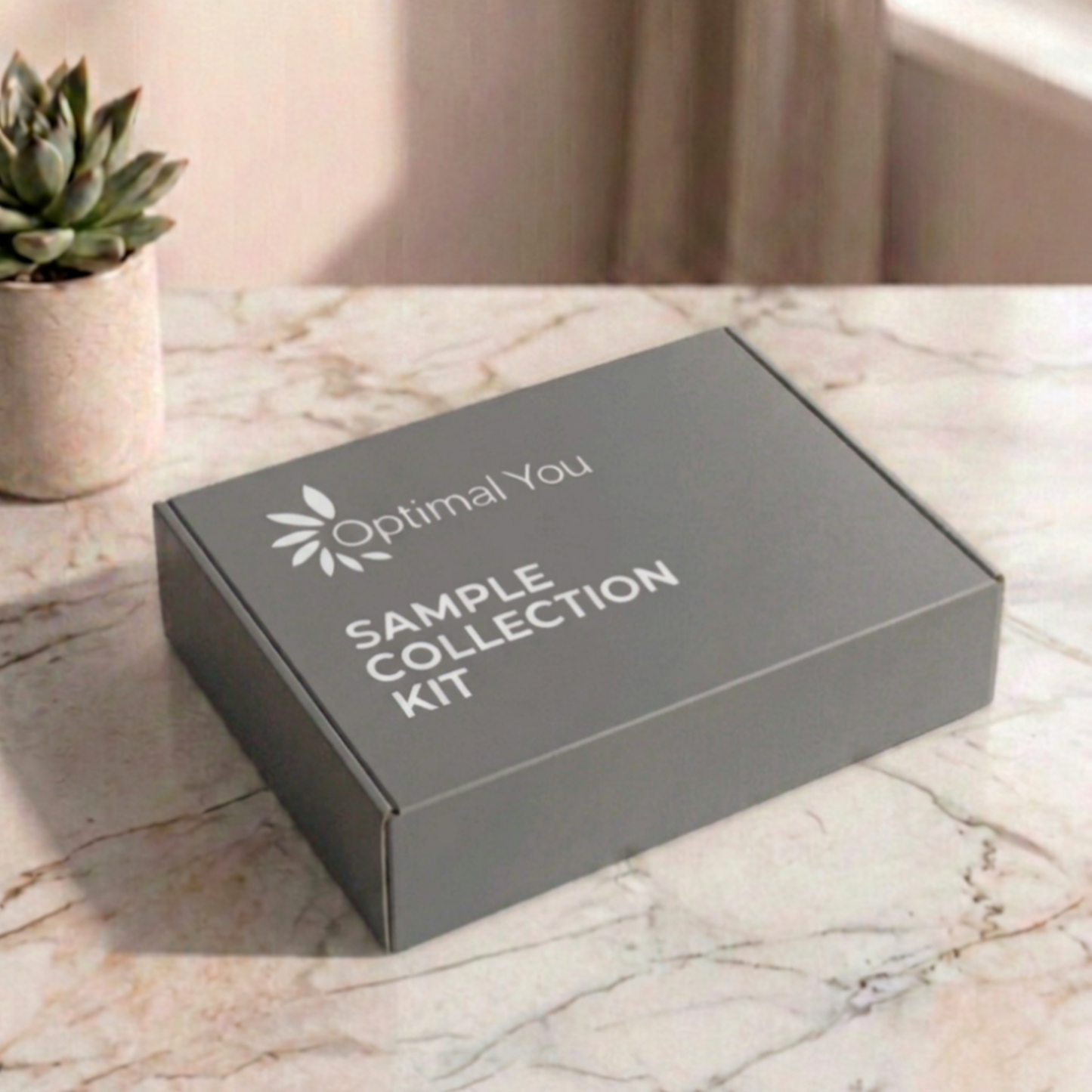
  1. Order Your Kit: Secure your test online to receive a premium, discreet collection kit shipped with completely free delivery.
  2. Flexible Collection Options: Profit from convenient testing options. Choose to perform an at-home blood collection via a quick finger-prick method, or choose a professional venue collection at a partner clinic.
  3. Accredited Lab Processing: Post your sample back using the pre-paid envelope. Your extensive biometric data profile will securely upload to your online portal within an estimated 4 working days.
  4. Bespoke Medical Doctor Report: Every single test is reviewed by a qualified doctor, providing a personalised, easy-to-read commentary detailing clear guidelines and actionable advice to unlock your real weight loss progress.

Biomarkers Tested

Adrenal hormones
Cortisol - Cortisol is a stress hormone produced by the adrenal glands. It is vital to survival given its role in functions such as immunity, regulating blood pressure and releasing insulin for blood sugar maintenance.

Cholesterol status
Total cholesterol -
Cholesterol is an essential fat (lipid) in the body. Although it has a bad reputation it has some important functions, including building cell membranes and producing a number of essential hormones including testosterone and oestradiol. Cholesterol is manufactured in the liver and also comes from the food we eat. Although there are a number of different types of cholesterol, the two main components of total cholesterol are HDL (high density lipoprotein) which is protective against heart disease and LDL (low density lipoprotein) which, in high levels, can contribute to cardiovascular disease. Your total cholesterol result on its own is of limited value in understanding your risk of heart disease; high levels of HDL cholesterol can cause a raised total cholesterol result but may actually be protective against heart disease. Equally, you can have a normal total cholesterol level but have low levels of protective HDL cholesterol. The most important factors are how much HDL and LDL cholesterol you have, and what proportion of your total cholesterol is made up of protective HDL cholesterol. We give a detailed breakdown of the components of your total cholesterol in the rest of this cholesterol profile.

LDL cholesterol - LDL cholesterol (low-density lipoprotein) is a molecule made of lipids and proteins which transports cholesterol, triglycerides and other fats to various tissues throughout the body. Too much LDL cholesterol, commonly called 'bad cholesterol', can cause fatty deposits to accumulate inside artery walls, potentially leading to atherosclerosis and heart disease.

Non-HDL cholesterol - Your total cholesterol is broken down into 2 main components; HDL (good) cholesterol and LDL (bad). There are more types of harmful cholesterol in your blood than just LDL - these include VLDL (very low-density lipoproteins) and other lipoproteins which are thought to be even more harmful than LDL cholesterol. Non-HDL cholesterol is calculated by subtracting your HDL cholesterol value from your total cholesterol. It therefore includes all the non-protective and potentially harmful cholesterol in your blood, not just LDL. As such, it is considered to be a better marker for cardiovascular risk than total cholesterol and LDL cholesterol. The recommended level of non-HDL cholesterol is below 4 mmol/L.

HDL cholesterol - HDL cholesterol (high-density lipoprotein) is a molecule in the body which removes cholesterol from the bloodstream and transports it to the liver where it is broken down and removed from the body in bile. HDL cholesterol is commonly known as 'good cholesterol'.

Total cholesterol : HDL - The cholesterol/HDL ratio is calculated by dividing your total cholesterol value by your HDL cholesterol level. It is used as a measure of cardiovascular risk because it gives a good insight into the proportion of your total cholesterol which is good (i.e. high-density lipoprotein HDL). Heart disease risk tools (such as QRisk) use the cholesterol/HDL ratio to calculate your risk of having a heart attack.

Triglycerides - Triglycerides are a type of fat (lipid) that circulate in the blood. After you eat, your body converts excess calories (whether from fat or carbohydrates) into triglycerides which are then transported to cells to be stored as fat. Your body then releases triglycerides when required for energy.

Diabetes
HbA1c -
Haemoglobin A1c(HbA1c), also known as glycated haemoglobin, is a longer-term measure of glucose levels in your blood than a simple blood glucose test. Glucose attaches itself to the haemoglobin in your red blood cells, and as your cells live for around 12-16 weeks, it gives us a good indication of the average level of sugar in your blood over a 3-month period.

A raised HbA1c result points to diabetes or an increased risk of developing diabetes, which can have a significant impact on your lifespan and quality of life. Complications of uncontrolled diabetes include heart disease, kidney disease, eye problems, and vascular conditions. It can also contribute to mental health problems. And men with diabetes are three times more likely to have erectile dysfunction. Keeping your HbA1c within a normal range can help you reduce the risk of these conditions.

Hormones
FSH - Follicle Stimulating Hormone(FSH) is produced in the pituitary gland and is important for women in the production of eggs by the ovaries and for men in the production of sperm. In the first half of the menstrual cycle in women, FSH stimulates the enlargement of follicles within the ovaries. Each of these follicles will help to increase oestradiol levels. One follicle will become dominant and will be released by the ovary (ovulation), after which follicle stimulating hormone levels drop during the second half of the menstrual cycle. In men, FSH acts on the seminiferous tubules of the testicles where they stimulate immature sperm cells to develop into mature sperm.

Oestradiol - Oestradiol is the strongest of the three oestrogens. It's labelled a female hormone but it's made in both the ovaries and testes. It's responsible for the growth of breast tissue, the female reproductive system, and male sexual function.

In pre-menopausal women, oestradiol levels vary throughout the monthly cycle, peaking just before ovulation. Levels are lowest after menopause when the ovaries stop producing eggs. Low oestradiol levels in women can cause many symptoms associated with the menopause, including hot flushes, night sweats, and changes in mood. It can also increase the risk of osteoporosis (a condition where the bones become less dense).

In men, oestradiol levels tend to increase slightly with age as testosterone levels decline. Too much oestradiol in men can contribute to fertility problems, gynecomastia (enlarged breast tissue), and erectile dysfunction.

Testosterone - Testosterone is a hormone that causes male characteristics. For men, it helps to regulate sex drive and has a role in controlling bone mass, fat distribution, muscle mass, strength and the production of red blood cells and sperm. Testosterone is produced in the testicles of men and, in much smaller amounts, in the ovaries of women. Testosterone levels in men naturally decline after the age of 30, although lower than normal levels can occur at any age and can cause low libido, erectile dysfunction, difficulty in gaining and maintaining muscle mass and lack of energy. Although women have much lower amounts of testosterone than men, it is important for much the same reasons, playing a role in libido, the distribution of muscle and fat and the formation of red blood cells. All laboratories will slightly differ in the reference ranges they apply because they are based on the population they are testing. The normal range is set so that 95% of men will fall into it. For greater consistency, we use the guidance from the British Society for Sexual Medicine (BSSM) which advises that low testosterone can be diagnosed when testosterone is consistently below the reference range, and that levels below 12 nmol/L could also be considered low, especially in men who also report symptoms of low testosterone or who have low levels of free testosterone.

Inflammation
hs-CRP -
C-Reactive Protein (CRP) is an inflammation marker used to assess whether there is inflammation in the body - it does not identify where the inflammation is located. High Sensitivity CRP (CRP-hs) is a test used to detect low-level inflammation thought to damage blood vessels which can lead to a heart attack or stroke. When you suffer a serious injury or infection you experience significant inflammation around the site of injury - such as the swelling around a twisted ankle. Any injury like this will cause your CRP-hs to rise.

Iron Status
Iron -
Iron is a mineral that is essential for life. It is a component of haemoglobin, a protein in our red blood cells that is responsible for transporting oxygen around our body. If we don't have enough iron, our haemoglobin levels fall and we can't get sufficient oxygen to our cells. This can cause symptoms which include fatigue, dizziness, and shortness of breath. Serum iron is a very transient reading and can be influenced by the amount of iron-rich food in your diet in the days before your blood test. For this reason, iron is rarely looked at on its own, and is interpreted alongside other markers in an iron status test.

TIBC - Total iron-binding capacity (TIBC) is a measure of the ability of your body to efficiently carry iron through the blood.

Transferrin saturation - Transferrin is made in the liver and is the major protein in the blood which binds to iron and transports it round the body. This test measures how much this protein is 'saturated' by iron.

Ferritin - Ferritin is a protein which stores iron in your cells and tissues. Usually, the body incorporates iron into haemoglobin to be transported around the body, but when it has a surplus, it stores the remaining iron in ferritin for later use. Measuring ferritin levels gives us a good indication of the amount of iron stored in your body.

Liver Health
Bilirubin -
Bilirubin is a product of the breakdown of haemoglobin from red blood cells. It is removed from the body via the liver, stored and concentrated in the gallbladder and secreted into the bowel. It is removed from your body through urine and faeces. Bilirubin causes the yellowish colour you sometimes see in bruises, due to red blood cells breaking down underneath the skin.

ALP - Alkaline phosphatase (ALP) is an enzyme found mainly in the liver and bones. Measuring it can indicate ongoing liver, gallbladder or bone disease.

ALT - Alanine transferase (ALT) is an enzyme which is mostly found in the liver, but is also found in smaller amounts in the heart, muscles and the kidneys. If the liver is damaged, ALT is leaked into to bloodstream. As ALT is predominantly found in the liver, it is usually an accurate marker for liver inflammation and can indicate liver damage caused by alcohol, fatty liver, drugs or viruses (hepatitis).

Gamma GT - Gamma GT, also known as gamma-glutamyl transferase (GGT), is a liver enzyme which is raised in liver and bile duct diseases. It is used in conjunction with ALP to distinguish between bone or liver disease. Gamma GT is also used to diagnose alcohol abuse as it is raised in 75% of long term drinkers.

Thyroid hormones

TSH - Thyroid stimulating hormone (TSH) is produced in the pituitary gland in order to regulate the production of thyroid hormones thyroxine (T4) and triiodothyronine (T3) by the thyroid gland. If thyroid hormones in the blood are low, then more TSH is produced to stimulate the thyroid gland to produce more of them. If thyroid hormone levels are high, then the pituitary produces less TSH to slow the production of thyroid hormones. If TSH is too high or too low, it normally signifies that there is a problem with the thyroid gland which is causing it to under or over produce thyroid hormones. Sometimes a disorder of the pituitary gland can also cause abnormal TSH levels.

Free thyroxine - Thyroxine (T4) is one of two hormones produced by the thyroid gland. It works to speed up the rate of your metabolism. Most T4 is bound to carrier proteins in the blood - it is only the free, or unbound, T4 that is active in the body, which is measured in this test. Free T4 is the less active of the two main thyroid hormones. To have an impact on your cells it needs to convert to the more active T3 when your body needs it.

Vitamin D - Despite its name, vitamin D is actually a hormone that’s produced by your skin when it’s exposed to sunshine. Before your body can use vitamin D produced by sun exposure (known as vitamin D3), it must be converted into another form called 25 hydroxycholecalciferol (25 OH). Vitamin D (25 OH) is the major circulating form of vitamin D, and so your vitamin D (25 OH) level is considered the most accurate indicator of vitamin D supply to your body.

Vitamin D is essential for healthy bones and teeth, as it helps your body absorb calcium. It also plays a role in muscle health, immune function, and mental health.

Low vitamin D symptoms include muscle weakness, mood swings, and fatigue. Many people in the UK have low vitamin D levels, and people with dark skin and people who don’t spend much time outdoors are particularly at risk.

Small amounts of vitamin D can be obtained from food, especially oily fish, eggs, and vitamin-D fortified foods. But if you have a vitamin D deficiency, you’re unlikely to be able to improve your levels by food alone.

How to prepare for your test

Prepare for your Weight Loss Blood Test by following these instructions.

Sample collection and timing

  • Take your sample between 6am and 10am.
  • Take this test when any symptoms of short-term illness have settled.
  • If you have an unusual sleep pattern, your cortisol results may be unreliable. If you must test, do so within 2 hours of waking and inform us in the supporting information.

Periods and contraception

  • Take this test two to five days after the start of your period, ideally on day three. It can be taken any time if you do not have periods.
  • Hormonal contraception can affect the results of this test. Taking a break from this and waiting for your periods to restart before your blood test will give more accurate results.

Fasting and hydration

  • Avoid fatty foods for eight hours before your test, you do not need to fast.

Medications and supplements

  • Do not take biotin supplements for two days before this test, discuss this with your doctor if it is prescribed.
  • If you take thyroxine, you can take your medication as usual, either before or after your blood test. However, if you take desiccated thyroid extract (DTE) or liothyronine, it's best to take it after you've collected your sample. Please let us know in your supporting information if you take amiodarone or lithium as these can affect your thyroid function results.
  • Take your sample at least 24 hours after any vitamin or mineral supplements.
  • Corticosteroid medication can affect this test, ask your doctor whether to stop before testing.

Know Your Body

Know Your Body

Know Your Body

Know Your Body

  • Your Blood, Your Way

    Do at home with our kits or have a professional collection arranged.

  • Extensive Clinic Network Across the UK

    Arrange professional blood draws from on of our partnered clinics around the UK

  • Fast & Secure Delivery

    Safe and timely delivery of blood test collection kits to your doorstep.

  • Blood Diagnostics, Without The Wait

    Fast and convenient blood collection and diagnostics, without having to wait.

Optimal You Partner Clinic Finder

How Your Clinic Visit Works

  1. Find a Location: Enter your postcode in the finder above to discover your nearest approved clinic.
  2. Book Your Sample Draw: Follow the clinic links sent to you from our partners to confirm your appointment time.
  3. Bring Your Kit: Attend your appointment with your Optimal You test kit and pre-printed blood sample collection materials.
  4. Rapid Results: Once drawn, your sample is safely couriered directly to our accredited laboratory network.

Why Choose a Venous Sample Draw?

While finger-prick kits offer convenient home collection, attending an accredited partner clinic for a professional venous sample draw ensures:

  • Maximum Biomarker Accuracy: Venous draws yield larger, higher-quality blood samples ideal for complex testing panels.
  • Low Risk of Hemolysis: Professional collection by trained phlebotomists prevents sample degradation.
  • Painless Experience: Fast and comfortable sample collection conducted by experienced medical professionals.

3 Simple Steps - How to Take Your Test

Step 1

Receiving Your Test Kit

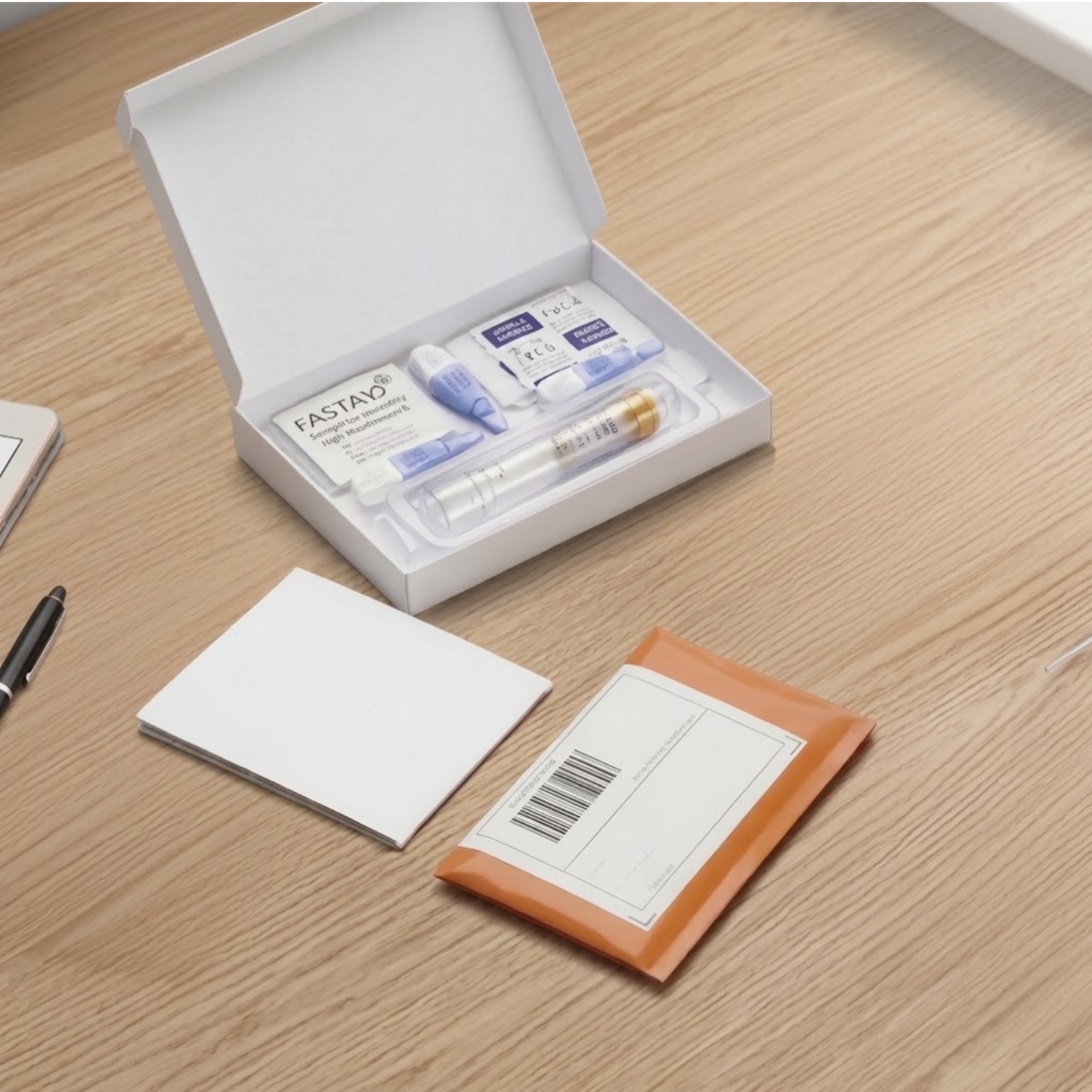
Order your at home finger prict test with Optimal You. You'll receive everything you need within your kit along with pre-paid packaging for you to post your sample directly to our partner laboratory for analysis.

Step 2

Collecting Your Sample

Following the provided guide, use the simple finger-prick method to prick your finger and drip your blood sample directly into the vial.

Step 3

Receiving Your Results

Post your sample to the lab using the prepaid envelope and packaging enclosed. Your results will be securely sent to you via email within 3 working days (estimated)

Frequently Asked Questions

Frequently asked question about our blood testing and diagnostic services. If there is a question not answered feel free to contact us!

Are there any age restrictions for your tests?

Yes, our services are currently available only to individuals aged 18 and over. We require you to confirm your Date of Birth in your Customer Account area.

Can I book a professional to take my blood?

Yes! We offer options for a clinic visit or a nurse home visit for a professional venous draw. You can select this option when choosing which test is right for you!

If you prefer to book your own phlebotomist, no problem! Simply select this option prrior to processing your order and we will send the kit to your home for you to arrange your own clinic visit.

Can I share my results with my own GP?

Yes, and we encourage it! You can download your doctor-reviewed report as a PDF from your secure portal to share with your GP or specialist during your next appointment.

Can I take these tests if I am pregnant or breastfeeding?

While you can take the tests, pregnancy and breastfeeding significantly alter your hormone and nutrient levels. This means our standard "normal" ranges may not apply to you. We recommend consulting your midwife or GP before ordering.

Can I use these tests to monitor an existing medical condition?

Our tests are excellent for tracking trends and monitoring wellness. However, they should not be used to self-diagnose or adjust prescribed medication without first consulting your treating physician and GP.

Do I need a doctor’s referral or a prescription?

No. Optimal You provides a private service that allows you to take control of your health data without needing to visit a GP first.

How do I get started with a blood test?

Simply choose your test on our website and checkout. 

Whilst on the particular test you are looking to purchase, select a test type from the drop down. You have three or four options depending on the type of test you are purchasing:

At Home Finger Prick Blood Test - You will receive you sample kit via the post. Simply follow the instructions enclosed and return using the packaging provided.

Book a Venous Draw at a Clinic - You will receive an email after you have processed your order containing instructions on how to book your clinic appointment. Our partners have national coverage of the UK to make your sample collection convenient to you whilst maintaining our quick service times. You can find your closest clinic via our partner medichecks on our clinic finder page.

Book a Venous Draw at Home with a Nurse - Once you have chosen this option, simply go through our checkout process, a nurse will be in touch to book your at home visit to complete your sample.

Self arrange a Profesional Sample Collection - You will receive your sample collection kit in the post for you to take to your chosen phlebotomy clinic. Note you will be responsible for arranging your appointment and for any associated fees.

How long does it take to get my results?

Most results are ready within 2–5 working days after the lab receives your sample. You will receive an email notification as soon as they are ready.

How soon do I need to post my sample back?

To ensure the stability of your biomarkers, you should post your sample on thesame dayyou collect it. Avoid collecting samples on a Friday afternoon or over the weekend to prevent them from sitting in the post; Monday through Thursday is best.

Is my data secure?

Absolutely. We use industry-standard encryption, and your data is stored securely in compliance with GDPR. Only you and our medical team have access to your results.

Is there a specific day or time I should take my sample?

Most tests are best performed first thing in a morning, especially if fasting is required. For hormonal tests (like Testosterone or Menopause profiles), we usually recommend collecting your sample before 10:00 AM when hormone levels are most stable.

You will receive additional guidance post purchase to give you all of the information needed as some tests have different guidelines.

What happens if I struggle to get enough blood from a finger-prick?

Don't worry, it happens! We include extra lancets in every kit. Pro tip: Make sure your hands are very warm (try soaking them in warm water) and stay well-hydrated for 24 hours before your test. If you still can't collect enough, contact us and we can help you arrange a venous blood draw instead.

What happens if my results are abnormal?

If a result is critically outside the normal range, our medical team will highlight this and provide clear guidance on the next steps during our contact with you, which may include you seeing your GP, going to A&E or calling the NHS on '111'.

What is the difference between a Finger-Prick and a Venous Draw?

A finger-prick is a self-collection kit done at home. A venous draw is a traditional blood sample taken from a vein by a professional. Some advanced tests (like our TRT or Enhanced Profiles) require a larger sample and are best done via a venous draw.

Who reviews my results?

Every report is reviewed by a qualified UK doctor. They provide personalized comments to help you understand what your biomarkers mean for your health.

Why are my results different from a previous test I had?

Biomarkers can fluctuate based on the time of day, your diet, stress levels, recent exercise, or even the lab equipment used. This is why we focus on "ranges." If you see a significant change, our medical team’s comments will help put that data into context.

Person holding a teal 'Sample Collection Kit' from Optimal You against a light gray background

Advanced Metabolic Weight Loss Blood Test

Regular price ÂŁ172.20
Sale price ÂŁ172.20 Regular price