Skip to product information
1 of 3

Men's Essential Health & Hormone Blood Test

Men's Essential Health & Hormone Blood Test

Standard male wellness check. 16-biomarker profile covering Cholesterol, core Testosterone, Iron (Ferritin), Liver/Kidney function & key Vitamins (D, B12).
Regular price £164.80
Sale price £164.80 Regular price
Shipping calculated at checkout.
Expected delivery date:
18 Jul Usually ready in 2-3 days.

Product Specifications

Details

Are you looking for a proactive check-up to ensure your lifestyle is truly supporting your long-term health? Whether you are struggling to build muscle mass, noticing unexpected weight gain, experiencing low libido, or simply want to check in on your general well-being, taking a look inside is the most reliable way to find answers. Many chronic health issues—especially cardiovascular disease, kidney dysfunction, and liver conditions—develop quietly without any obvious physical symptoms in their early stages.

The Optimal You Men’s Essential Health, Hormone & Lifestyle Blood Test is our premier general health MOT for men of all ages. Tracking 16 essential biomarkers, this focused panel evaluates your natural testosterone levels alongside key organs, cardiovascular health, and vital energy nutrients.

Designed to catch potential dietary and lifestyle imbalances before they impact your daily vitality, this test provides the definitive biological data you need to make smart, proactive adjustments to your training, diet, and recovery.

Key Core Benefits

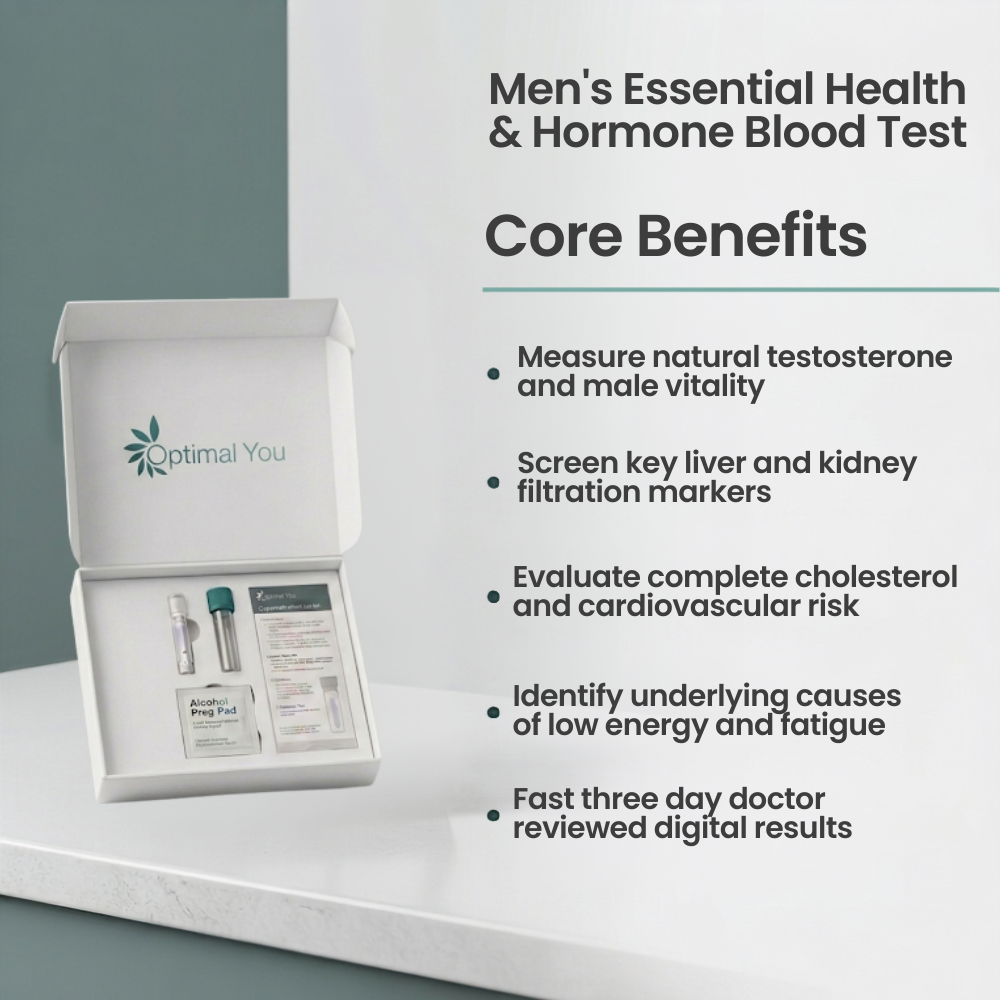
Measure natural testosterone and male vitality

Screen key liver and kidney filtration markers

Evaluate complete cholesterol and cardiovascular risk

Identify underlying causes of low energy and fatigue

Fast three-day doctor-reviewed digital results

Why These 16 Biomarkers Matter to Men

Our clinical team look across your body's primary systems to build a comprehensive picture of your baseline health:

âš¡ Male Hormones & Muscle Composition

Testosterone is the primary androgen responsible for regulating muscle mass, strength, fat distribution, libido, and mood. Checking whether your testosterone is in a healthy range for your age can help you investigate why your training progress has stalled, or explain sudden shifts in your energy and drive.

🫀 Cardiovascular Health & Heart Protection

A family history of heart disease is a major risk factor, but lifestyle choices dictate your daily safety. A complete 6-marker cholesterol panel evaluates your true lipid status—including Non-HDL (the most reliable marker for arterial plaque risk)—helping you take steps to reduce your cardiovascular risk before complications occur.

🧼 Vital Organ Function

Your liver and kidneys are your body's primary waste-filtration units. Your liver is responsible for clearing toxins, converting nutrients to energy, and regulating vital proteins, while your kidneys filter metabolic waste products from the blood. This test screens for subtle shifts in organ function that are often triggered by eating or drinking too much.

What We Test: The 16 Essential Biomarkers

Our targeted panel delivers high-precision clinical data across your major internal systems:

Category Biomarker Why It Matters to Your Health
Hormones Testosterone The primary male hormone regulating muscle mass, fat distribution, libido, mood, and daily energy.
Vitamins Vitamin D Essential for calcium absorption, bone strength, mental health, and robust immune function.
Active Vitamin B12 The biologically active form of B12; essential for healthy red blood cells and nervous system function.
Iron Status Ferritin A clinical protein that stores iron inside your cells; the single best indicator of your body's total iron reserves.
Cholesterol Status Total Cholesterol The overall sum of all circulating cholesterol types in your blood.
LDL Cholesterol Known as "bad" cholesterol; can accumulate inside artery walls and increase heart disease risk.
Non-HDL Cholesterol Total Cholesterol minus HDL; represents all atherogenic (clogging) particles in your bloodstream.
HDL Cholesterol "Good" cholesterol; actively helps remove other harmful fats from your blood.
Total/HDL Ratio A vital risk ratio comparing total cholesterol to HDL; a lower ratio indicates lower cardiac risk.
Triglycerides Circulating fats converted from excess dietary calories; linked to arterial hardening.
Liver Health ALT An enzyme primarily found in the liver; leaks into the blood if liver cells suffer damage or stress.
GGT A sensitive liver enzyme and marker for liver damage, bile duct issues, or alcohol-related stress.
ALP An enzyme related to your liver and bones; elevated levels can signal bile duct obstructions.
Bilirubin A yellow pigment produced by red blood cell breakdown; high levels indicate liver or gallbladder issues.
Kidney Health Creatinine A chemical waste product from normal muscle metabolism, used as a key indicator of kidney health.
eGFR Estimated Glomerular Filtration Rate; assesses how well your kidneys are filtering waste.

📋 Essential Pre-Test Instructions

To guarantee absolute laboratory precision and ensure your results reflect your true baseline health, please strictly adhere to these preparation guidelines:

Timing & Physical Activity

  • Morning Blood Draw: You must collect your sample early in the morning between 6am and 10am. This tight window is critical as testosterone levels naturally peak in the early hours.
  • Avoid Strenuous Activity: Refrain from heavy exercise or intense physical training for 48 hours prior to your test, as intense physical exertion can temporarily distort liver and kidney filtration metrics.
  • Illness Recovery: Only take this test once any acute or short-term illness symptoms have completely settled.

Fasting, Hydration & Gel Safety

  • Avoid Fatty Foods: Avoid eating fatty or greasy foods for eight hours before collecting your sample. You do not need to fast fully, but ensure your pre-test meals are light and lean.
  • Stay Hydrated: Drink plenty of plain water before your test to ensure a smooth blood flow.
  • Hormone Gel Warning: If you apply topical hormone treatments, never collect a finger-prick sample from a finger that has handled these treatments in the past 4 weeks. Microscopic skin residues will contaminate the sample and cause a false spike in your results. Always wear protective gloves when applying gels.

Medications & Supplements

  • Active B12 Restriction: Do not take any Vitamin B12 supplements for two weeks prior to this test. If B12 is medically prescribed to you, consult your doctor before making any changes.
  • Biotin Restriction: Avoid taking biotin supplements for two days before your test, as high-dose biotin can interfere with laboratory hormone assays.
  • General Supplements: Take your blood sample at least 24 hours after your last dose of standard vitamin or mineral supplements.

📊 Clinical Laboratory Limitations: Our accredited laboratories cannot provide exact numerical results for active Vitamin B12 levels when they sit above 150 pmol/L; these specific values will be displayed on your digital report as ">150 pmol/L".

How It Works

  1. Order Your Kit: Secure your test online to receive a premium, discreet collection kit shipped directly to your door with completely free delivery.
  2. Flexible Collection Options: Enjoy total convenience. Choose to perform an at-home blood collection via a quick finger-prick method, or opt for a professional venous draw appointment at a local partner clinic.
  3. Accredited Laboratory Processing: Return your completed sample in the provided pre-paid envelope. Your data profile will securely upload to your online portal within an estimated 3 working days.
  4. Bespoke Doctor's Commentary: Every single health profile is medically reviewed by a qualified doctor, providing a clear, supportive, and confidential report designed to help you proactively optimise your diet, lifestyle, and health.

Biomarkers Tested

Total Biomarkers: 16

Kidney Health
Creatinine: A chemical waste product produced by muscle metabolism, used to assess how well the kidneys are filtering waste from the blood.
eGFR: Estimated Glomerular Filtration Rate is a calculation that determines how well the kidneys are functioning based on creatinine levels, age, and gender.

Liver Health
Bilirubin: A yellowish pigment formed by the breakdown of red blood cells; elevated levels can indicate liver dysfunction or bile duct issues.
ALP: Alkaline Phosphatase is an enzyme found in the liver and bones; high levels can signal liver disease or blocked bile ducts.
ALT: Alanine Aminotransferase is an enzyme primarily found in the liver; increased levels are often a sign of liver damage or inflammation.
GGT: Gamma-Glutamyl Transferase is a liver enzyme that is a sensitive marker for liver damage, bile duct problems, and alcohol consumption.

Cholesterol Status
Total Cholesterol: A measure of the total amount of cholesterol in the blood, including LDL, HDL, and other lipid components.
LDL Cholesterol: Low-Density Lipoprotein, often called "bad" cholesterol, which can build up in the walls of arteries and increase heart disease risk.
Non HDL Cholesterol: A calculation of Total Cholesterol minus HDL; it represents all the "bad" types of cholesterol that can cause artery blockages.
HDL Cholesterol: High-Density Lipoprotein, known as "good" cholesterol, helps remove other forms of cholesterol from the bloodstream.
Total Cholesterol : HDL: A ratio comparing total cholesterol to HDL levels, used to help predict the risk of developing heart disease.
Triglycerides: A type of fat (lipid) found in the blood; high levels can contribute to the hardening of arteries or thickening of artery walls.

Iron Status
Ferritin: A blood protein that contains iron; testing it is the most effective way to measure the body's stored iron levels.

Vitamins
Vitamin B12 - Active: Measures the amount of B12 available for the body to use, essential for nerve function and red blood cell production.
Vitamin D: A steroid vitamin essential for intestinal absorption of calcium, magnesium, and phosphate, crucial for bone health and immunity.

Hormones
Testosterone: A key hormone that regulates libido, bone mass, fat distribution, muscle mass, and the production of red blood cells and sperm.

How to prepare for your test

Prepare for your test by following these instructions.

Sample collection and timing
Take your sample between 6am and 10am.
Take this test when any symptoms of short-term illness have settled.
Avoid heavy exercise for 48 hours beforehand.
Avoid taking a finger-prick sample from a finger used to handle hormone gels in the past 4 weeks.
Use gloves when applying these.

Fasting and hydration
Avoid fatty foods for eight hours before your test, you do not need to fast.
Stay well hydrated before your test.

Medications and supplements
Take your sample at least 24 hours after any vitamin or mineral supplements.
Do not take biotin supplements for two days before this test, discuss this with your doctor if it is prescribed.
Do not take vitamin B12 for two weeks prior to this test.
If your B12 is prescribed ask your doctor whether to stop.

Know Your Body

Know Your Body

Know Your Body

Know Your Body

  • Your Blood, Your Way

    Do at home with our kits or have a professional collection arranged.

  • Extensive Clinic Network Across the UK

    Arrange professional blood draws from on of our partnered clinics around the UK

  • Fast & Secure Delivery

    Safe and timely delivery of blood test collection kits to your doorstep.

  • Blood Diagnostics, Without The Wait

    Fast and convenient blood collection and diagnostics, without having to wait.

3 Simple Steps - How to Take Your Test

Step 1

Receiving Your Test Kit

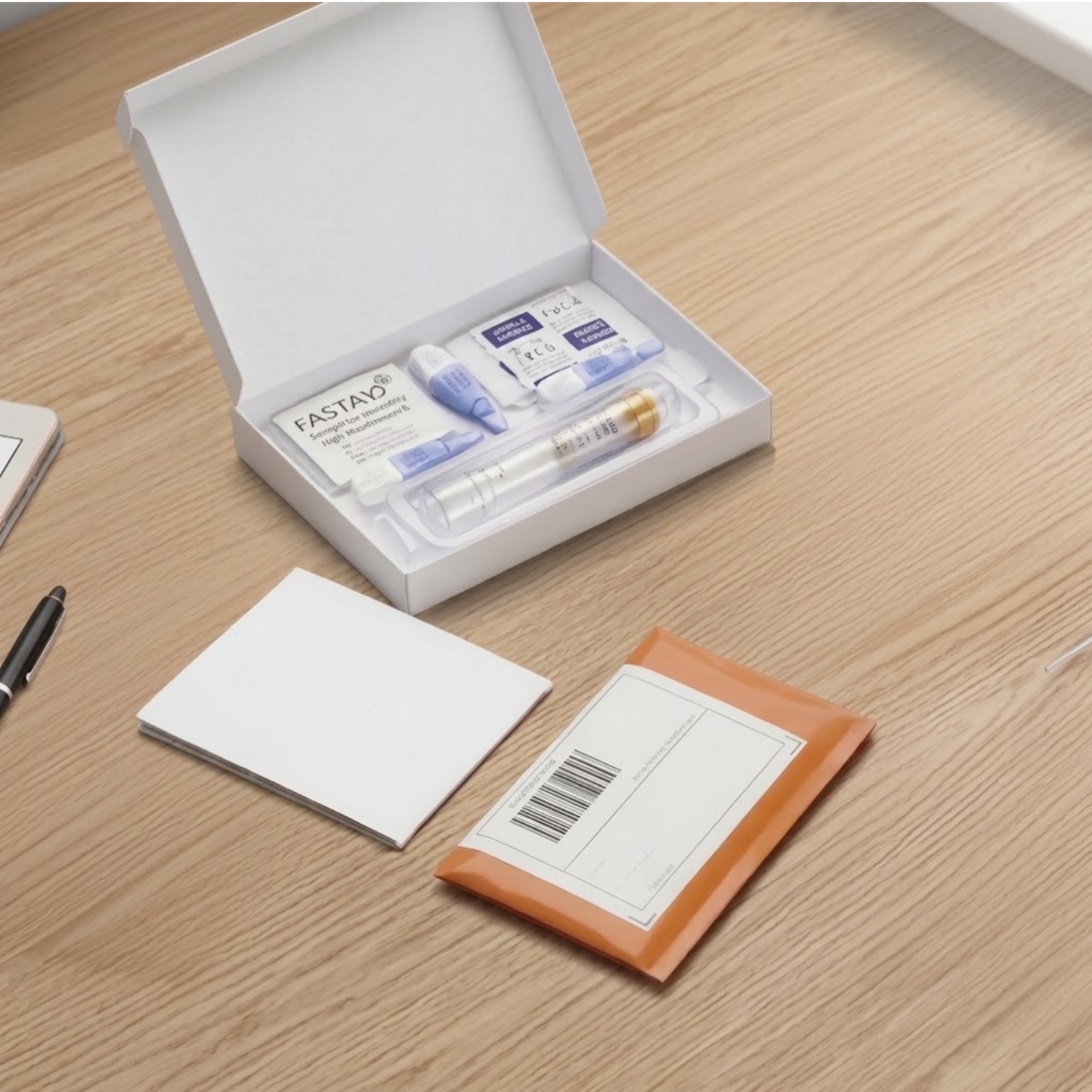
Order your at home finger prict test with Optimal You. You'll receive everything you need within your kit along with pre-paid packaging for you to post your sample directly to our partner laboratory for analysis.

Step 2

Collecting Your Sample

Following the provided guide, use the simple finger-prick method to prick your finger and drip your blood sample directly into the vial.

Step 3

Receiving Your Results

Post your sample to the lab using the prepaid envelope and packaging enclosed. Your results will be securely sent to you via email within 3 working days (estimated)

Frequently Asked Questions

Frequently asked question about our blood testing and diagnostic services. If there is a question not answered feel free to contact us!

Are there any age restrictions for your tests?

Yes, our services are currently available only to individuals aged 18 and over. We require you to confirm your Date of Birth in your Customer Account area.

Can I book a professional to take my blood?

Yes! We offer options for a clinic visit or a nurse home visit for a professional venous draw. You can select this option when choosing which test is right for you!

If you prefer to book your own phlebotomist, no problem! Simply select this option prrior to processing your order and we will send the kit to your home for you to arrange your own clinic visit.

Can I share my results with my own GP?

Yes, and we encourage it! You can download your doctor-reviewed report as a PDF from your secure portal to share with your GP or specialist during your next appointment.

Can I take these tests if I am pregnant or breastfeeding?

While you can take the tests, pregnancy and breastfeeding significantly alter your hormone and nutrient levels. This means our standard "normal" ranges may not apply to you. We recommend consulting your midwife or GP before ordering.

Can I use these tests to monitor an existing medical condition?

Our tests are excellent for tracking trends and monitoring wellness. However, they should not be used to self-diagnose or adjust prescribed medication without first consulting your treating physician and GP.

Do I need a doctor’s referral or a prescription?

No. Optimal You provides a private service that allows you to take control of your health data without needing to visit a GP first.

How do I get started with a blood test?

Simply choose your test on our website and checkout. 

Whilst on the particular test you are looking to purchase, select a test type from the drop down. You have three or four options depending on the type of test you are purchasing:

At Home Finger Prick Blood Test - You will receive you sample kit via the post. Simply follow the instructions enclosed and return using the packaging provided.

Book a Venous Draw at a Clinic - You will receive an email after you have processed your order containing instructions on how to book your clinic appointment. Our partners have national coverage of the UK to make your sample collection convenient to you whilst maintaining our quick service times. You can find your closest clinic via our partner medichecks on our clinic finder page.

Book a Venous Draw at Home with a Nurse - Once you have chosen this option, simply go through our checkout process, a nurse will be in touch to book your at home visit to complete your sample.

Self arrange a Profesional Sample Collection - You will receive your sample collection kit in the post for you to take to your chosen phlebotomy clinic. Note you will be responsible for arranging your appointment and for any associated fees.

How long does it take to get my results?

Most results are ready within 2–5 working days after the lab receives your sample. You will receive an email notification as soon as they are ready.

How soon do I need to post my sample back?

To ensure the stability of your biomarkers, you should post your sample on thesame dayyou collect it. Avoid collecting samples on a Friday afternoon or over the weekend to prevent them from sitting in the post; Monday through Thursday is best.

Is my data secure?

Absolutely. We use industry-standard encryption, and your data is stored securely in compliance with GDPR. Only you and our medical team have access to your results.

Is there a specific day or time I should take my sample?

Most tests are best performed first thing in a morning, especially if fasting is required. For hormonal tests (like Testosterone or Menopause profiles), we usually recommend collecting your sample before 10:00 AM when hormone levels are most stable.

You will receive additional guidance post purchase to give you all of the information needed as some tests have different guidelines.

What happens if I struggle to get enough blood from a finger-prick?

Don't worry, it happens! We include extra lancets in every kit. Pro tip: Make sure your hands are very warm (try soaking them in warm water) and stay well-hydrated for 24 hours before your test. If you still can't collect enough, contact us and we can help you arrange a venous blood draw instead.

What happens if my results are abnormal?

If a result is critically outside the normal range, our medical team will highlight this and provide clear guidance on the next steps during our contact with you, which may include you seeing your GP, going to A&E or calling the NHS on '111'.

What is the difference between a Finger-Prick and a Venous Draw?

A finger-prick is a self-collection kit done at home. A venous draw is a traditional blood sample taken from a vein by a professional. Some advanced tests (like our TRT or Enhanced Profiles) require a larger sample and are best done via a venous draw.

Who reviews my results?

Every report is reviewed by a qualified UK doctor. They provide personalized comments to help you understand what your biomarkers mean for your health.

Why are my results different from a previous test I had?

Biomarkers can fluctuate based on the time of day, your diet, stress levels, recent exercise, or even the lab equipment used. This is why we focus on "ranges." If you see a significant change, our medical team’s comments will help put that data into context.

Sample Collection Kit packaging with 'Optimal You' branding on a white background

Men's Essential Health & Hormone Blood Test

Regular price £164.80
Sale price £164.80 Regular price