Skip to product information
1 of 3

Optimal You Ultimate Health & Longevity Wellness Blood Test

Optimal You Ultimate Health & Longevity Wellness Blood Test

Invest in your future health. Advanced 58-biomarker blood test for longevity. Proactive check of cardiovascular risk (ApoB:ApoA, Lp(a)), full FBC, Hormones, Thyroid & Vitamins.
Regular price ยฃ300.80
Sale price ยฃ300.80 Regular price
Shipping calculated at checkout.
Expected delivery date:
05 Aug Usually ready in 2-3 days.

Product Specifications

Details

Are you dedicated to not just living longer, but spending your years in peak physical and mental health? True longevity isnโ€™t about waiting for symptoms to appear; it is about proactive, preventative health tracking. If you want to optimise your healthspanโ€”the number of years you live free from chronic, debilitating diseaseโ€”you need to understand your biology at its deepest level.

The Optimal You Ultimate Longevity, Healthspan & Premium Wellness Blood Test is our most sophisticated and comprehensive medical panel. Analysing an extraordinary 59 critical biomarkers, this gold-standard health screen behaves as an absolute clinical audit of your internal biochemistry.

This test goes far beyond standard routine medicine by integrating cutting-edge biomarkers with proven links to long-term healthspan. By measuring advanced genetic cardiovascular risk factors, complete hormone networks, metabolic engines, and hidden systemic inflammation, this panel removes the guesswork. Accompanied by a detailed medical report from our qualified UK doctors, you will receive the exact biological insights you need to safely tailor your diet, exercise, and supplement strategy for the future.

Key Core Benefits

Advanced Longevity & Cardiovascular Screening: Measures next-generation lipid markers like ApoB, ApoA1, and the highly genetic, "sticky" Lipoprotein(a) to evaluate vascular safety.

Complete Hormone & Vitality Blueprint: Tracks 10 male and female hormonesโ€”including total and free testosterone, oestradiol, DHEA-S, and prolactinโ€”to optimise body composition and energy.

Early Diabetes & Insulin Resistance Detection: Leverages HbA1c and the Triglyceride-to-HDL ratio to spot insulin resistance and metabolic syndrome early.

Sluggish Metabolism & Autoimmune Tracking: Checks full thyroid hormones (TSH, Free T3, Free T4) alongside thyroid antibodies to rule out immune-mediated metabolic stalls.

Total Organ, Immune & Nutrient Audit: Assesses liver and kidney filtration, a 21-marker Full Blood Count (FBC) for immune health, and cellular levels of Vitamin D, Active B12, and Folate.

Next-Generation Longevity Insights: What Can You Learn?

Our elite medical panel targets the primary biological drivers of cellular ageing, cardiovascular decline, and metabolic dysfunction:

๐Ÿซ€ Advanced Lipid Metrics (ApoB, ApoA1, and Lp(a))

Traditional cholesterol tests can occasionally miss hidden cardiovascular risks. This profile measures Apolipoprotein B (ApoB) and Apolipoprotein A1 (ApoA1). Because every plaque-building cholesterol particle carries exactly one ApoB molecule, measuring ApoB provides a highly accurate count of harmful particles in your blood.

We pair this with Lipoprotein(a) [Lp(a)]โ€”a sticky, genetically determined lipoprotein that lifestyle changes cannot easily lower. Knowing your genetic Lp(a) baseline allows you to construct a highly targeted preventative cardiovascular plan.

๐Ÿงช Insulin Resistance & The Triglyceride-to-HDL Ratio

Metabolic syndrome is a silent driver of type 2 diabetes, stroke, and arterial hardening. By calculating your Triglyceride-to-HDL (TG:HDL) ratio, our clinical team can identify early signs of insulin resistance. Paired with HbA1c (your three-month blood sugar average) and Uric Acid, this test helps you stop metabolic dysfunction in its tracks.

๐Ÿฆ‹ Thyroid Autoimmunity & Endocrine Balance

The majority of thyroid disorders are autoimmune-driven. This profile measures your active metabolic hormones (Free T3 and Free T4) alongside Thyroglobulin and Thyroid Peroxidase (TPO) Antibodies to check if your own immune system is silently attacking your metabolic engine. It also screens adrenal and reproductive hormones to ensure your physical drive and endocrine systems are perfectly balanced.

The 59 Biomarkers Analysed

Our accredited UK laboratories cross-reference 59 distinct biological markers to deliver a total overview of your internal environment:

Health Category Biomarkers Checked Why This Is Critical For Your Longevity
Advanced Heart Health ApoB, ApoA1, ApoB:ApoA1 Ratio, Lipoprotein(a) [Lp(a)], Triglyceride:HDL Ratio Next-generation lipid mapping to identify particle density, genetic heart risks, and insulin resistance.
Standard Lipids Total Cholesterol, LDL, Non-HDL, HDL, Total/HDL Ratio, Triglycerides Complete baseline circulating blood fat panel to evaluate overall cardiovascular wellness.
Thyroid Autoimmunity Thyroglobulin Antibodies, Thyroid Peroxidase (TPO) Antibodies Identifies early autoimmune activity linked to Hashimoto's thyroiditis or Graves' disease.
Thyroid Engine TSH, Free T3, Free Thyroxine (Free T4) Tracks cellular energy, baseline metabolic rate, weight management, and body temperature.
Sex & Adrenal Hormones Testosterone, Calculated Free Testosterone, Oestradiol, FSH, LH, Prolactin, DHEA-S, Free Androgen Index, SHBG Evaluates fertility, libido, bone density, lean muscle retention, stress responses, and cognitive vitality.
Diabetes Control HbA1c (Glycated Haemoglobin) Provides an unalterable average of blood sugar levels over the past 2 to 3 months to screen for pre-diabetes.
Gout & Metabolic Risk Uric Acid Measures purine breakdown to guard against painful joint crystals and metabolic syndrome.
Inflammation hs-CRP (High-Sensitivity C-Reactive Protein) Detects low-grade, chronic systemic inflammation that can damage blood vessels and tissues.
Vitamins & Nutrients Active Vitamin B12, Vitamin D, Folate (Serum) Crucial for red blood cell formation, bone strength, nervous system health, and immune system resilience.
Iron Status Panel Iron, Ferritin, TIBC, UIBC, Transferrin Saturation Screens circulating iron and hidden cellular iron stores to eliminate physical fatigue and oxygen-delivery gaps.
Kidney Efficiency Urea, Creatinine, eGFR Measures kidney filtration performance to ensure metabolic waste is cleared safely.
Liver Safety Suite ALT, GGT, ALP, Bilirubin Evaluates liver cell stress, toxic clearance, fat load, and bile duct function.
Blood Proteins Total Protein, Albumin, Globulin Reflects baseline nutritional status, protein transport, fluid retention, and antibody defense.
Full Blood Count (FBC) 21 Markers (including Haemoglobin, Haematocrit, Red & White Cell Counts, Platelets, Neutrophils, Lymphocytes, Monocytes, Eosinophils, Basophils) Exhaustive cellular screen evaluating immune cell diversity, blood clotting capability, and oxygen delivery.

๐Ÿ“Š Clinical Laboratory Limitations: Our accredited laboratories cannot provide exact numerical results for active Vitamin B12 levels when they sit above 150 pmol/L; these specific values will be safely displayed on your digital report as ">150 pmol/L".

๐Ÿ“‹ Essential Pre-Test Instructions

To guarantee absolute clinical accuracy and ensure your 59-biomarker profile reflects your true biological baseline, please follow these preparation guidelines:

Timing, Physical Rest & Cycle Guidelines

  • Morning Collection Window: You must collect your sample early in the morning between 6am and 10am.
  • Avoid Strenuous Activity: Refrain from heavy exercise, intense weight training, or strenuous cardio for 48 hours before your test, as physical strain temporarily alters liver enzymes, kidney metrics, and muscle metabolites.
  • Illness Recovery: Wait to take this test until any active symptoms of a short-term or acute illness have completely settled, as active immune responses alter baseline white blood cell counts.
  • Menstrual Cycle & Contraception: If you experience periods and are testing to understand your fertility, collect your sample two to five days after your period starts (ideally on day three). It can be collected at any time if you do not have periods. Note that hormonal contraceptives will modify your natural reproductive hormone metrics.

Fasting, Hydration & Gel Safety

  • Avoid Fatty Foods: Avoid eating fatty or excessively greasy foods for eight hours before collecting your sample.
  • Optional Fasting Window: Full fasting is not mandatory. However, if your apolipoprotein results return raised, you may be advised to confirm this with a fasting sample. If you choose to fast for this test, do not eat or drink anything other than water for 12 hours beforehand.
  • Stay Hydrated: Drink plenty of plain water before your blood draw to support healthy circulation and make collection smooth.
  • Hormone Gel Contamination Warning: If you utilise topical testosterone or hormone treatments, never collect a finger-prick sample from a finger that has handled these therapies in the past 4 weeks. Microscopic skin residues will contaminate the sample and cause a false spike in your results. Always wear protective gloves when applying gels.

Medications & Supplements

  • Active B12 Restriction: Do not take any Vitamin B12 supplements for two weeks prior to this test. If B12 is medically prescribed to you, consult your doctor before pausing it.
  • Biotin Restriction: Avoid taking biotin supplements for two days before your test, as high-dose biotin can artificially disrupt laboratory hormone assays.
  • General Supplements: Take your blood sample at least 24 hours after your last dose of standard vitamin or mineral supplements.
  • Thyroid Medication Timing: If you take levothyroxine or desiccated thyroid extract (DTE), ensure you collect your blood sample before taking your daily dose. If you must test later in the day, leave a gap of at least six hours after taking levothyroxine (or 12 hours after DTE/T3 medications) before your draw. Please declare if you take amiodarone or lithium.

How It Works

  1. Order Your Kit: Secure your test online to receive your premium collection kit shipped directly to your door with completely free delivery.
  2. Professional Venous Collection: Because this 59-biomarker profile requires a gold-standard blood sample to accurately cross-reference your full blood counts and advanced lipid lines, collection via a professional clinic or nurse visit is recommended. Choose from our convenient venous blood draw options.
  3. Accredited Laboratory Processing: Your sample is securely processed in our accredited UK laboratories. Your extensive health profile will securely upload to your online portal within an estimated 4 working days.
  4. Bespoke Doctor's Commentary: Every single health check includes an easy-to-read, personalised medical report written by a qualified doctor, translating your raw data into a clear, actionable roadmap to help extend your healthspan.

Biomarkers Tested

What's in the test?

Autoimmunity

Thyroglobulin antibodies - This test looks for antibodies to thyroglobulin, a protein which is specific to the thyroid gland. Under normal circumstances it does not enter the bloodstream, but if your thyroid is inflamed or under attack from the body's own immune system, then thyroglobulin can be secreted and antibodies detected. Most cases of thyroid disease are caused by an autoimmune condition where the thyroid gland is attacked by the body's own immune system. This can cause the thyroid gland to produce more thyroid hormone (as in the case of Graves' disease) or to produce less as the cells in the thyroid gland are gradually destroyed (as in the case of Hashimoto's thyroiditis).

Thyroid peroxidase antibodies - Thyroid peroxidase (TPO) is an enzyme important in the production of thyroid hormones. This test looks for antibodies against TPO which are often raised in cases of autoimmune thyroid conditions and occasionally in healthy individuals.

Cholesterol status

Total cholesterol - Cholesterol is an essential fat (lipid) in the body. Although it has a bad reputation it has some important functions, including building cell membranes and producing a number of essential hormones including testosterone and oestradiol. Cholesterol is manufactured in the liver and also comes from the food we eat. Although there are a number of different types of cholesterol, the two main components of total cholesterol are HDL (high density lipoprotein) which is protective against heart disease and LDL (low density lipoprotein) which, in high levels, can contribute to cardiovascular disease. Your total cholesterol result on its own is of limited value in understanding your risk of heart disease; high levels of HDL cholesterol can cause a raised total cholesterol result but may actually be protective against heart disease. Equally, you can have a normal total cholesterol level but have low levels of protective HDL cholesterol. The most important factors are how much HDL and LDL cholesterol you have, and what proportion of your total cholesterol is made up of protective HDL cholesterol. We give a detailed breakdown of the components of your total cholesterol in the rest of this cholesterol profile.

LDL cholesterol - LDL cholesterol (low-density lipoprotein) is a molecule made of lipids and proteins which transports cholesterol, triglycerides and other fats to various tissues throughout the body. Too much LDL cholesterol, commonly called 'bad cholesterol', can cause fatty deposits to accumulate inside artery walls, potentially leading to atherosclerosis and heart disease.

Non-HDL cholesterol - Your total cholesterol is broken down into 2 main components; HDL (good) cholesterol and LDL (bad). There are more types of harmful cholesterol in your blood than just LDL - these include VLDL (very low-density lipoproteins) and other lipoproteins which are thought to be even more harmful than LDL cholesterol. Non-HDL cholesterol is calculated by subtracting your HDL cholesterol value from your total cholesterol. It therefore includes all the non-protective and potentially harmful cholesterol in your blood, not just LDL. As such, it is considered to be a better marker for cardiovascular risk than total cholesterol and LDL cholesterol. The recommended level of non-HDL cholesterol is below 4 mmol/L.

HDL cholesterol - HDL cholesterol (high-density lipoprotein) is a molecule in the body which removes cholesterol from the bloodstream and transports it to the liver where it is broken down and removed from the body in bile. HDL cholesterol is commonly known as 'good cholesterol'.

Total cholesterol : HDL - The cholesterol/HDL ratio is calculated by dividing your total cholesterol value by your HDL cholesterol level. It is used as a measure of cardiovascular risk because it gives a good insight into the proportion of your total cholesterol which is good (i.e. high-density lipoprotein HDL). Heart disease risk tools (such as QRisk) use the cholesterol/HDL ratio to calculate your risk of having a heart attack.

Triglycerides - Triglycerides are a type of fat (lipid) that circulate in the blood. After you eat, your body converts excess calories (whether from fat or carbohydrates) into triglycerides which are then transported to cells to be stored as fat. Your body then releases triglycerides when required for energy.

Apolipoprotein A1 - Apolipoprotein A1, or ApoA1, is the main protein found in high-density lipoprotein (HDL) cholesterol. The higher your Apo1 result, the more HDL cholesterol particles you have. HDL cholesterol helps clear cholesterol from the blood by removing cholesterol from organs and tissues to be broken down by the liver.

A low ApoA1 level, especially with a raised ApoB result, is associated with an increased risk of cardiovascular disease. ApoA1, alongside other risk factors, can help to build a picture of your overall cardiovascular risk and likelihood of heart attack and stroke in later years.

Apolipoprotein B - Apolipoprotein B, or ApoB, is the main protein found in lipoproteins such as low-density lipoprotein (LDL) cholesterol and ultra-low-density lipoproteins (chylomicrons). Each of these lipoproteins contains one ApoB particle. So, your ApoB levels can tell you the number of these lipoproteins in the blood, which is why ApoB is considered a better predictor of heart disease risk than LDL cholesterol measurements.

ApoB plays a crucial role in transporting lipids (fats) around the body, but too much ApoB is linked to conditions like atherosclerosis, heart attacks, and strokes, which can affect your lifespan and your quality of life in later years.

Apo B : apo A ratio - Your ApoB:ApoA1 ratio is calculated by dividing your ApoB level by your ApoA1 level. Itโ€™s considered a better predictor of cardiovascular risk than your individual apolipoprotein results alone, or other cholesterol ratios such as an LDL:HDL ratio.

A higher ratio is linked to an increased risk of heart attacks, vascular disease, and stroke, all of which can impact not just how long you live, but how many years you spend in good health.

Lipoprotein (a) - Lipoprotein(a), or Lp(a), is a type of lipoprotein made by the liver. Lp(a) is very similar to LDL cholesterol but is more "sticky" as it also contains a protein called Apo(a). Lp(a) is thought to play an important role in the blood's clotting system, but raised levels are linked to a higher risk of cardiovascular disease, including heart attacks and strokes. Knowing your level can help stratify your risk. The amount of Lp(a) in your blood is determined by your genes and not affected by your age or sex.

Triglycerides : HDL ratio - Your triglyceride to HDL cholesterol (TG:HDL) ratio, an important heart health marker, is calculated by dividing your triglyceride level by your HDL cholesterol level. An imbalance in these essential fats is associated with an increased risk of cardiovascular disease, insulin resistance, and higher blood sugar levels, all of which can significantly impact not just longevity, but the number of years you spend in good health. The TG:HDL ratio therefore helps to build an even more comprehensive picture of your risk alongside other cholesterol markers.

Clotting status

Platelet count - Platelets or clotting cells are the smallest type of blood cell. They are formed in the bone marrow and are important in blood clotting. When bleeding occurs, the platelets swell, clump together and form a sticky plug (a clot) which helps stop the bleeding.

MPV - MPV, or Mean Platelet Volume, is a measurement of the average size of your platelets. Platelets are fragmented cells within the blood that aid the process of clot formation. MPV provides an indication of platelet production in your bone marrow.

Diabetes

HbA1c - Haemoglobin A1c (HbA1c), also known as glycated haemoglobin, is a longer-term measure of glucose levels in your blood than a simple blood glucose test. Glucose attaches itself to the haemoglobin in your red blood cells, and as your cells live for around 12-16 weeks, it gives us a good indication of the average level of sugar in your blood over a 3-month period.


A raised HbA1c result points to diabetes or an increased risk of developing diabetes, which can have a significant impact on your lifespan and quality of life. Complications of uncontrolled diabetes include heart disease, kidney disease, eye problems, and vascular conditions. It can also contribute to mental health problems. And men with diabetes are three times more likely to have erectile dysfunction. Keeping your HbA1c within a normal range can help you reduce the risk of these conditions.

Gout risk

Uric acid - Uric acid is a waste product produced from the breakdown of chemical compounds called purines. Purine occurs naturally in the body, but it is also found in the food we eat - and in some foods more than others. In healthy individuals, uric acid is excreted by the kidneys in urine, however, if levels are too high to excrete, or if you have a problem metabolising purine, then uric acid can begin to accumulate and can be deposited as crystals in the bodily tissues. When this occurs in joints it causes the painful condition known as gout. High levels of uric acid are also linked to metabolic syndrome, a cluster of health problems that increase the risk of heart disease and diabetes.

Hormones

FSH - Follicle Stimulating Hormone (FSH) is produced in the pituitary gland and is important for women in the production of eggs by the ovaries and for men in the production of sperm. In the first half of the menstrual cycle in women, FSH stimulates the enlargement of follicles within the ovaries. Each of these follicles will help to increase oestradiol levels. One follicle will become dominant and will be released by the ovary (ovulation), after which follicle stimulating hormone levels drop during the second half of the menstrual cycle. In men, FSH acts on the seminiferous tubules of the testicles where they stimulate immature sperm cells to develop into mature sperm.

LH - Luteinising Hormone (LH) is produced by the pituitary gland and is important for male and female fertility. In women it governs the menstrual cycle, peaking before ovulation. In men it stimulates the production of testosterone.

Oestradiol - Oestradiol is the strongest of the three oestrogens. It's labelled a female hormone but it's made in both the ovaries and testes. It's responsible for the growth of breast tissue, the female reproductive system, and male sexual function.

In pre-menopausal women, oestradiol levels vary throughout the monthly cycle, peaking just before ovulation. Levels are lowest after menopause when the ovaries stop producing eggs. Low oestradiol levels in women can cause many symptoms associated with the menopause, including hot flushes, night sweats, and changes in mood. It can also increase the risk of osteoporosis (a condition where the bones become less dense).

In men, oestradiol levels tend to increase slightly with age as testosterone levels decline. Too much oestradiol in men can contribute to fertility problems, gynecomastia (enlarged breast tissue), and erectile dysfunction.

Testosterone - Testosterone is a hormone that causes male characteristics. For men, it helps to regulate sex drive and has a role in controlling bone mass, fat distribution, muscle mass, strength and the production of red blood cells and sperm. Testosterone is produced in the testicles of men and, in much smaller amounts, in the ovaries of women. Testosterone levels in men naturally decline after the age of 30, although lower than normal levels can occur at any age and can cause low libido, erectile dysfunction, difficulty in gaining and maintaining muscle mass and lack of energy. Although women have much lower amounts of testosterone than men, it is important for much the same reasons, playing a role in libido, the distribution of muscle and fat and the formation of red blood cells. All laboratories will slightly differ in the reference ranges they apply because they are based on the population they are testing. The normal range is set so that 95% of men will fall into it. For greater consistency, we use the guidance from the British Society for Sexual Medicine (BSSM) which advises that low testosterone can be diagnosed when testosterone is consistently below the reference range, and that levels below 12 nmol/L could also be considered low, especially in men who also report symptoms of low testosterone or who have low levels of free testosterone.

Free testosterone - calc - Most testosterone circulating in the blood is bound to proteins, in particular SHBG and albumin; only 2-3 % of testosterone is free and available to cells. This test uses an algorithm to calculate the level of free or unbound testosterone in relation to total testosterone, SHBG and albumin.

Free androgen index - The free androgen index (FAI) is a calculation used to determine the amount of testosterone which is free (unbound) in the bloodstream. Most testosterone is bound to proteins sex hormone binding globulin and albumin and is not available to interact with the body's cells. The FAI is a calculation based on the ratio of testosterone and SHBG and is a measure of the amount of testosterone that is available to act on the body's tissues. The free androgen index is used in women to assess the likelihood of polycystic ovarian syndrome. In men, free testosterone gives a better indication of testosterone status.

Inflammation

hs-CRP - C-Reactive Protein (CRP) is an inflammation marker used to assess whether there is inflammation in the body - it does not identify where the inflammation is located. High Sensitivity CRP (CRP-hs) is a test used to detect low-level inflammation thought to damage blood vessels which can lead to a heart attack or stroke. When you suffer a serious injury or infection you experience significant inflammation around the site of injury - such as the swelling around a twisted ankle. Any injury like this will cause your CRP-hs to rise.

Iron status

Iron - Iron is a mineral that is essential for life. It is a component of haemoglobin, a protein in our red blood cells that is responsible for transporting oxygen around our body. If we don't have enough iron, our haemoglobin levels fall and we can't get sufficient oxygen to our cells. This can cause symptoms which include fatigue, dizziness, and shortness of breath. Serum iron is a very transient reading and can be influenced by the amount of iron-rich food in your diet in the days before your blood test. For this reason, iron is rarely looked at on its own, and is interpreted alongside other markers in an iron status test.

TIBC - Total iron-binding capacity (TIBC) is a measure of the ability of your body to efficiently carry iron through the blood.

Transferrin saturation - Transferrin is made in the liver and is the major protein in the blood which binds to iron and transports it round the body. This test measures how much this protein is 'saturated' by iron.

Ferritin - Ferritin is a protein which stores iron in your cells and tissues. Usually, the body incorporates iron into haemoglobin to be transported around the body, but when it has a surplus, it stores the remaining iron in ferritin for later use. Measuring ferritin levels gives us a good indication of the amount of iron stored in your body.

UIBC - Unsaturated iron binding capacity (UIBC) represents the portion of iron binding sites on transferrin that are not occupied by iron. UIBC is often measured along with iron and total iron-binding capacity (TIBC) as a diagnostic tool to determine various iron disorders.

Kidney health

Urea - Urea is a waste product produced by the body when it breaks down proteins in the liver. Once the urea is made, it is transported to the kidneys, which filter it out of the blood and remove it from the body in the form of urine. Measuring the levels of urea in the blood can therefore reflect how well both the liver and the kidneys, are functioning. It is important to note that even if one kidney is severely damaged but the other is functioning perfectly, results may still return as normal.

Creatinine - Creatinine is a chemical waste molecule that is generated from normal muscle metabolism. Measurement of this is an indicator of the levels of other waste products in the body. Creatinine is also an accurate marker of kidney function, and may help in diagnosing kidney disease.

eGFR - The estimated glomerular filtration rate (eGFR) assesses how well the kidneys are working by estimating the amount of blood filtered through the kidneys. The glomeruli are tiny filters in the kidneys responsible for removing waste products. If these filters do not do their job properly, kidney function can be impaired. The eGFR calculation is an estimate of actual glomerular filtration rate, calculated using your age, gender, ethnicity, and serum creatinine levels.

Liver health

Bilirubin - Bilirubin is a product of the breakdown of haemoglobin from red blood cells. It is removed from the body via the liver, stored and concentrated in the gallbladder and secreted into the bowel. It is removed from your body through urine and faeces. Bilirubin causes the yellowish colour you sometimes see in bruises, due to red blood cells breaking down underneath the skin.

ALP - Alkaline phosphatase (ALP) is an enzyme found mainly in the liver and bones. Measuring it can indicate ongoing liver, gallbladder or bone disease.

ALT - Alanine transferase (ALT) is an enzyme which is mostly found in the liver, but is also found in smaller amounts in the heart, muscles and the kidneys. If the liver is damaged, ALT is leaked into to the bloodstream. As ALT is predominantly found in the liver, it is usually an accurate marker for liver inflammation and can indicate liver damage caused by alcohol, fatty liver, drugs or viruses (hepatitis).

Gamma GT - Gamma GT, also known as gamma-glutamyl transferase (GGT), is a liver enzyme which is raised in liver and bile duct diseases. It is used in conjunction with ALP to distinguish between bone or liver disease. Gamma GT is also used to diagnose alcohol abuse as it is raised in 75% of long term drinkers.

Proteins

Total protein - Total Protein represents the sum of the proteins albumin and globulin in your blood. Albumin and globulin have a range of functions including keeping blood within vessels, transporting nutrients and fighting infection. Abnormal levels can indicate malnutrition as well as a liver or kidney disorder.

Albumin - Albumin is a protein which is made mainly in the liver. It helps to exert the osmotic pressure which holds water within the blood. It also helps carry nutrients and medications and other substances through the blood and is important for tissue growth and healing. Albumin also carries hormones around the body, therefore measuring the amount of albumin in the blood can help us calculate how much hormone is available to your tissues.

Globulin - Globulin is an umbrella term for a set of different proteins that the immune system and the liver produce. Certain globulins bind with haemoglobin while others transport metals, such as iron, in the blood. Additionally, there is a certain type of globulin known as an immunoglobulin, (another name for an antibody) which helps to fight infection in the body.

SHBG - SHBG (sex hormone binding globulin) is a protein which transports the sex hormones (testosterone, oestrogen and dihydrotestosterone (DHT)) in the blood.Hormones which are bound to SHBG are inactive which means that they are unavailable to your cells. Measuring the level of SHBG in your blood gives important information about your levels of free or unbound hormones which are biologically active and available for use.

Red blood cells

Haemoglobin - Haemoglobin is a protein in red blood cells which carries oxygen around the body and gives the blood its red colour. This test measures the amount of haemoglobin in the blood and is a good measure of the blood's ability to carry oxygen around the body.

Haematocrit - HCT (haematocrit) measures the amount of space (volume) within the blood that is taken up by red blood cells.

Red cell count - Red Blood Cell (RBC) Count analyses the number of red blood cells in the blood. Red blood cells carry oxygen from the lungs to the rest of the body, where it can be used to fuel energy processes such as movement and respiration. They also carry carbon dioxide produced from cells back to the lungs so that it can be exhaled.

MCV - MCV (mean corpuscular volume) reflects the average size of your red blood cells. This is important to measure, as it can indicate how much oxygen your cells are likely to be transporting around the body.

MCH - MCH (mean corpuscular haemoglobin) measures the average amount of haemoglobin contained in one of your red blood cells.

MCHC - MCHC (mean corpuscular haemoglobin concentration) is the average concentration of haemoglobin in your red blood cells. Haemoglobin is a molecule which allows red blood cells to transport oxygen around the body.

RDW - Red blood cell distribution width (RDW) indicates whether your red blood cells are all the same size, or different sizes or shapes. Normally cells are fairly uniform both in size and in shape, but some blood disorders may cause your red blood cells to form in abnormal sizes. This test measures the difference between the largest and the smallest red blood cell.

Thyroid hormones

TSH - Thyroid stimulating hormone (TSH) is produced in the pituitary gland in order to regulate the production of thyroid hormones thyroxine (T4) and triiodothyronine (T3) by the thyroid gland. If thyroid hormones in the blood are low, then more TSH is produced to stimulate the thyroid gland to produce more of them. If thyroid hormone levels are high, then the pituitary produces less TSH to slow the production of thyroid hormones. If TSH is too high or too low, it normally signifies that there is a problem with the thyroid gland which is causing it to under or over produce thyroid hormones. Sometimes a disorder of the pituitary gland can also cause abnormal TSH levels.

Free T3 - Triiodothyronine (T3) is the more active of the two thyroid hormones produced by the thyroid gland. Most T3 is bound to protein in the blood. Free T3 measures the level of T3 that is free, or unbound to protein, and is available to regulate metabolism.

Free thyroxine - Thyroxine (T4) is one of two hormones produced by the thyroid gland. It works to speed up the rate of your metabolism. Most T4 is bound to carrier proteins in the blood - it is only the free, or unbound, T4 that is active in the body, which is measured in this test. Free T4 is the less active of the two main thyroid hormones. To have an impact on your cells it needs to convert to the more active T3 when your body needs it.

Vitamins

Folate - serum - Folate is a B vitamin which acts as a coenzyme in the metabolism of amino acids. It is also vital for the synthesis of purines and pyrimidines which are essential for DNA synthesis and red cell formation. Folate is also especially important during the first trimester of pregnancy so if you are thinking of becoming pregnant it is important to make sure your folate levels are normal.

Vitamin B12 - active - Vitamin B12 is important for production of red blood cells which carry oxygen around the body. B12 is also involved in metabolism and the nervous system and prolonged lack of vitamin B12 may cause nerve damage. Although Vitamin B12 is almost entirely found in animal-based foods, many vegetarian and vegan products, especially plant milks are now fortified with Vitamin B12.

Vitamin D - Despite its name, vitamin D is actually a hormone thatโ€™s produced by your skin when itโ€™s exposed to sunshine. Before your body can use vitamin D produced by sun exposure (known as vitamin D3), it must be converted into another form called 25 hydroxycholecalciferol (25 OH). Vitamin D (25 OH) is the major circulating form of vitamin D, and so your vitamin D (25 OH) level is considered the most accurate indicator of vitamin D supply to your body.

Vitamin D is essential for healthy bones and teeth, as it helps your body absorb calcium. It also plays a role in muscle health, immune function, and mental health.

Low vitamin D symptoms include muscle weakness, mood swings, and fatigue. Many people in the UK have low vitamin D levels, and people with dark skin and people who donโ€™t spend much time outdoors are particularly at risk.

Small amounts of vitamin D can be obtained from food, especially oily fish, eggs, and vitamin-D fortified foods. But if you have a vitamin D deficiency, youโ€™re unlikely to be able to improve your levels by food alone.

White blood cells

White cell count - White Blood Cell (WBC) Count measures the number of white blood cells in the blood. White blood cells are key to your body's immune system. They fight infections and protect your body from foreign invaders such as harmful germs and bacteria. Additionally, they produce many antibodies and memory cells to protect you from further infections with the same germ.

Neutrophils - Neutrophils are the most abundant type of white blood cell in the body and are responsible for helping your body fight infection. When a germ is initially detected by the body, neutrophils are the defence system which go out and attack the germ before any of your other white blood cells. When neutrophils are low you can be more vulnerable to illness and infection.

Lymphocytes - Lymphocytes are a type of white blood cell which fight bacterial and viral infections. They are the subset of white blood cells involved in the more specific response to infections, which can identify and differentiate between different foreign organisms that enter the body. As well as fighting infection, they produce antibodies and memory cells to help to prevent future infections from the same germ. Lymphocytes include T cells, B cells and natural killer cells.

Monocytes - Monocytes are a type of white blood cell that surround and destroy germs and dead or damaged cells from the blood. The heat and swelling that you feel when a body part is inflamed, for example after a cut on your finger, is caused by the activities of these cells.

Eosinophils - Eosinophils are a type of white blood cell that are responsible for removing parasitic infections and regulating inflammation to mark an infected site. They also play a role in allergy and in asthma.

Basophils - Basophils are a type of white blood cell that protect your body from bacteria and parasites such as ticks. They also play a role in allergic reactions.

How to prepare for your test

How to prepare for your test

Prepare for your Optimal Health Blood Test by following these instructions.

Sample collection and timing

  • Take your sample between 6am and 10am.
  • Take this test when any symptoms of short-term illness have settled.
  • Avoid heavy exercise for 48 hours beforehand.

Periods and contraception

  • Take this test two to five days after the start of your period, ideally on day three. It can be taken any time if you do not have periods.
  • Hormonal contraception can affect the results of this test. Taking a break from this and waiting for your periods to restart before your blood test will give more accurate results.

Fasting and hydration

  • Avoid fatty foods for eight hours before your test. Fasting is not mandatory, but if your apolipoprotein results are raised, you may be advised to confirm this with a fasting sample. If you are fasting for the test, do not eat or drink anything other than water for 12 hours beforehand and take any medication as you would normally.
  • Stay well hydrated before your test.

Medications and supplements

  • Do not take biotin supplements for two days before this test, discuss this with your doctor if it is prescribed.
  • Do not take vitamin B12 for two weeks prior to this test. If your B12 is prescribed ask your doctor whether to stop.
  • If you take thyroxine, you can take your medication as usual, either before or after your blood test. However, if you take desiccated thyroid extract (DTE) or liothyronine, it's best to take it after you've collected your sample. Please let us know in your supporting information if you take amiodarone or lithium as these can affect your thyroid function results.
  • Take your sample at least 24 hours after any vitamin or mineral supplements

Know Your Body

Know Your Body

Know Your Body

Know Your Body

  • Your Blood, Your Way

    Do at home with our kits or have a professional collection arranged.

  • Extensive Clinic Network Across the UK

    Arrange professional blood draws from on of our partnered clinics around the UK

  • Fast & Secure Delivery

    Safe and timely delivery of blood test collection kits to your doorstep.

  • Blood Diagnostics, Without The Wait

    Fast and convenient blood collection and diagnostics, without having to wait.

Optimal You Partner Clinic Finder

How Your Clinic Visit Works

  1. Find a Location: Enter your postcode in the finder above to discover your nearest approved clinic.
  2. Book Your Sample Draw: Follow the clinic links sent to you from our partners to confirm your appointment time.
  3. Bring Your Kit: Attend your appointment with your Optimal You test kit and pre-printed blood sample collection materials.
  4. Rapid Results: Once drawn, your sample is safely couriered directly to our accredited laboratory network.

Why Choose a Venous Sample Draw?

While finger-prick kits offer convenient home collection, attending an accredited partner clinic for a professional venous sample draw ensures:

  • Maximum Biomarker Accuracy: Venous draws yield larger, higher-quality blood samples ideal for complex testing panels.
  • Low Risk of Hemolysis: Professional collection by trained phlebotomists prevents sample degradation.
  • Painless Experience: Fast and comfortable sample collection conducted by experienced medical professionals.

3 Simple Steps - How to Take Your Test

Step 1

Receiving Your Test Kit

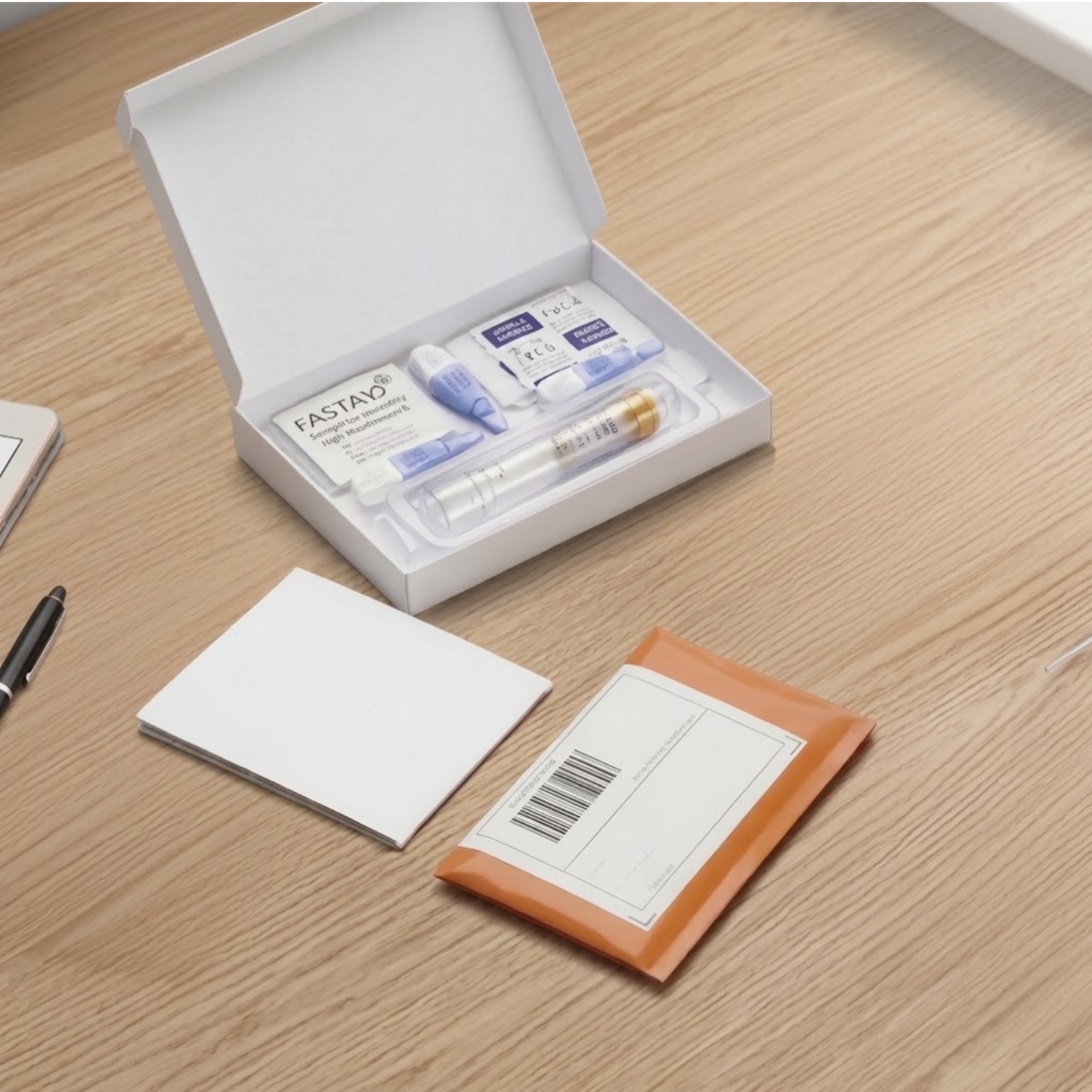
Order your at home finger prict test with Optimal You. You'll receive everything you need within your kit along with pre-paid packaging for you to post your sample directly to our partner laboratory for analysis.

Step 2

Collecting Your Sample

Following the provided guide, use the simple finger-prick method to prick your finger and drip your blood sample directly into the vial.

Step 3

Receiving Your Results

Post your sample to the lab using the prepaid envelope and packaging enclosed. Your results will be securely sent to you via email within 3 working days (estimated)

Frequently Asked Questions

Frequently asked question about our blood testing and diagnostic services. If there is a question not answered feel free to contact us!

Are there any age restrictions for your tests?

Yes, our services are currently available only to individuals aged 18 and over. We require you to confirm your Date of Birth in your Customer Account area.

Can I book a professional to take my blood?

Yes! We offer options for a clinic visit or a nurse home visit for a professional venous draw. You can select this option when choosing which test is right for you!

If you prefer to book your own phlebotomist, no problem! Simply select this option prrior to processing your order and we will send the kit to your home for you to arrange your own clinic visit.

Can I share my results with my own GP?

Yes, and we encourage it! You can download your doctor-reviewed report as a PDF from your secure portal to share with your GP or specialist during your next appointment.

Can I take these tests if I am pregnant or breastfeeding?

While you can take the tests, pregnancy and breastfeeding significantly alter your hormone and nutrient levels. This means our standard "normal" ranges may not apply to you. We recommend consulting your midwife or GP before ordering.

Can I use these tests to monitor an existing medical condition?

Our tests are excellent for tracking trends and monitoring wellness. However, they should not be used to self-diagnose or adjust prescribed medication without first consulting your treating physician and GP.

Do I need a doctorโ€™s referral or a prescription?

No. Optimal You provides a private service that allows you to take control of your health data without needing to visit a GP first.

How do I get started with a blood test?

Simply choose your test on our website and checkout.ย 

Whilst on the particular test you are looking to purchase, select a test type from the drop down. You have three or four options depending on the type of test you are purchasing:

At Home Finger Prick Blood Test - You will receive you sample kit via the post. Simply follow the instructions enclosed and return using the packaging provided.

Book a Venous Draw at a Clinicย - You will receive an email after you have processed your order containing instructions on how to book your clinic appointment. Our partners have national coverage of the UK to make your sample collection convenient to you whilst maintaining our quick service times. You can find your closest clinic via our partner medichecks on ourย clinic finder page.

Book a Venous Draw at Home with a Nurseย - Once you have chosen this option, simply go through our checkout process, a nurse will be in touch to book your at home visit to complete your sample.

Self arrange a Profesional Sample Collectionย - You will receive your sample collection kit in the post for you to take to your chosen phlebotomy clinic. Note you will be responsible for arranging your appointment and for any associated fees.

How long does it take to get my results?

Most results are ready within 2โ€“5 working days after the lab receives your sample. You will receive an email notification as soon as they are ready.

How soon do I need to post my sample back?

To ensure the stability of your biomarkers, you should post your sample on thesame dayyou collect it. Avoid collecting samples on a Friday afternoon or over the weekend to prevent them from sitting in the post; Monday through Thursday is best.

Is my data secure?

Absolutely. We use industry-standard encryption, and your data is stored securely in compliance with GDPR. Only you and our medical team have access to your results.

Is there a specific day or time I should take my sample?

Most tests are best performed first thing in a morning, especially if fasting is required. For hormonal tests (like Testosterone or Menopause profiles), we usually recommend collecting your sample before 10:00 AM when hormone levels are most stable.

You will receive additional guidance post purchase to give you all of the information needed as some tests have different guidelines.

What happens if I struggle to get enough blood from a finger-prick?

Don't worry, it happens! We include extra lancets in every kit. Pro tip: Make sure your hands are very warm (try soaking them in warm water) and stay well-hydrated for 24 hours before your test. If you still can't collect enough, contact us and we can help you arrange a venous blood draw instead.

What happens if my results are abnormal?

If a result is critically outside the normal range, our medical team will highlight this and provide clear guidance on the next steps during our contact with you, which may include you seeing your GP, going to A&E or calling the NHS on '111'.

What is the difference between a Finger-Prick and a Venous Draw?

A finger-prick is a self-collection kit done at home. A venous draw is a traditional blood sample taken from a vein by a professional. Some advanced tests (like our TRT or Enhanced Profiles) require a larger sample and are best done via a venous draw.

Who reviews my results?

Every report is reviewed by a qualified UK doctor. They provide personalized comments to help you understand what your biomarkers mean for your health.

Why are my results different from a previous test I had?

Biomarkers can fluctuate based on the time of day, your diet, stress levels, recent exercise, or even the lab equipment used. This is why we focus on "ranges." If you see a significant change, our medical teamโ€™s comments will help put that data into context.

Hand holding a blue 'Sample Collection Kit' from Optimal You against a gray background

Optimal You Ultimate Health & Longevity Wellness Blood Test

Regular price ยฃ300.80
Sale price ยฃ300.80 Regular price